
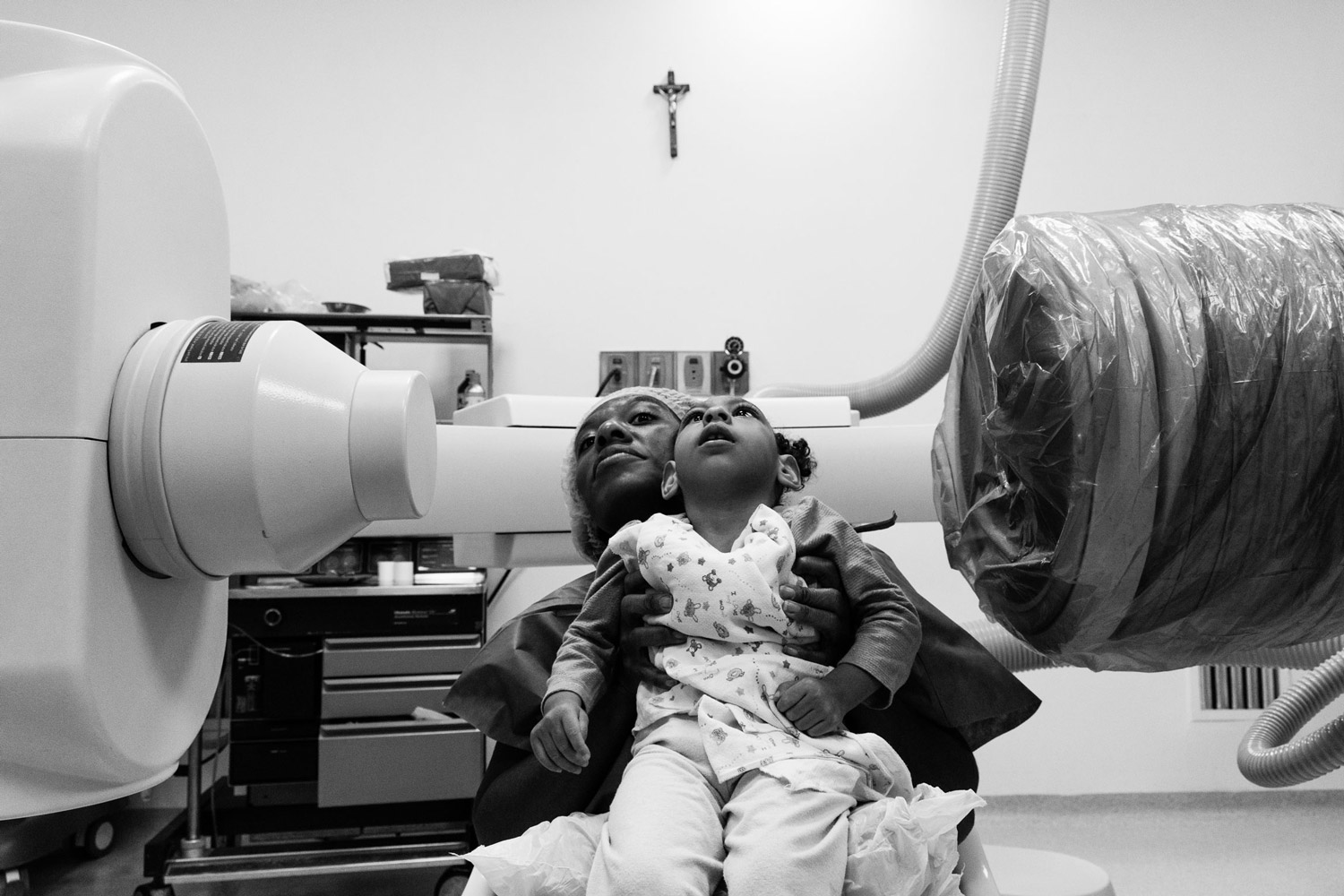
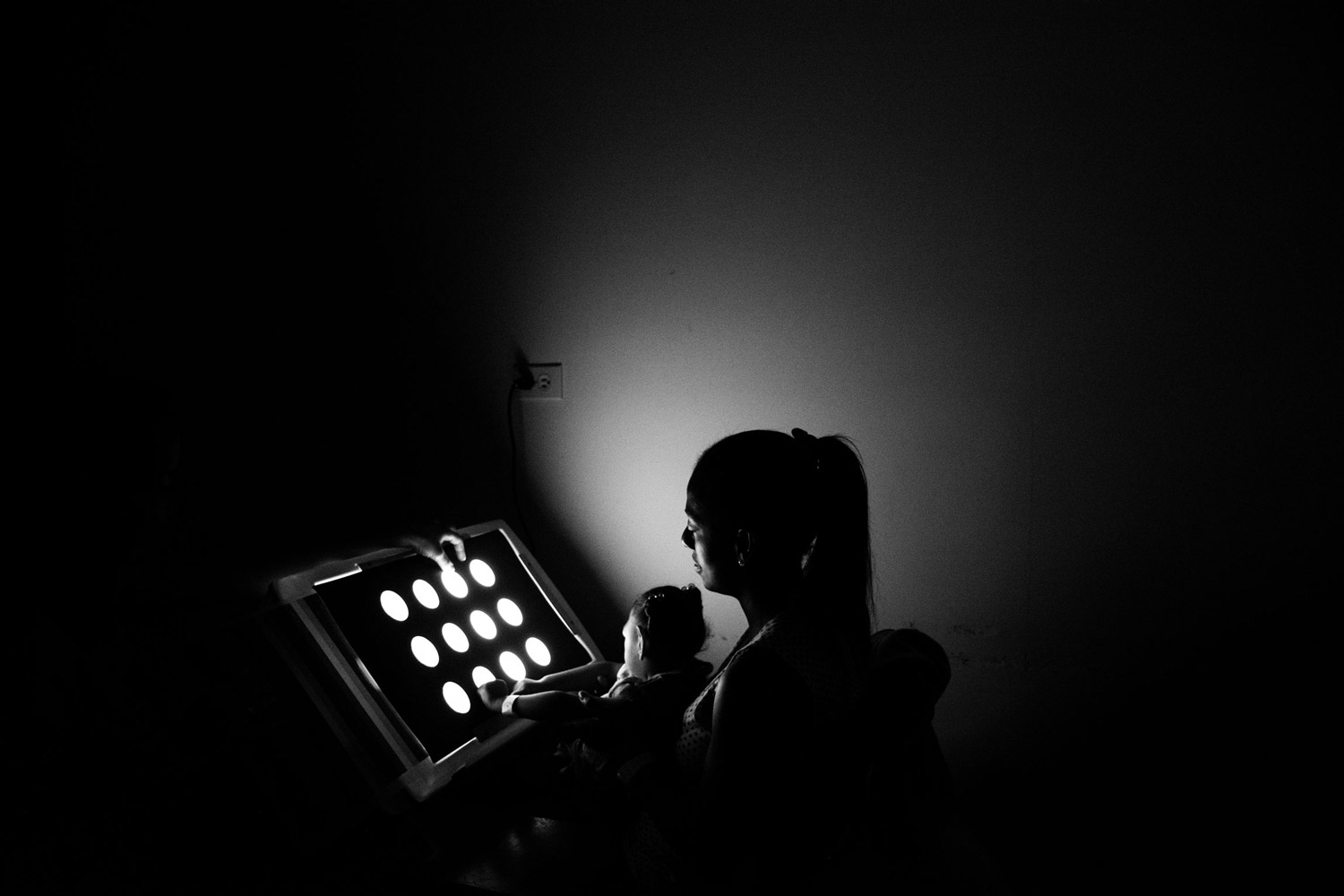
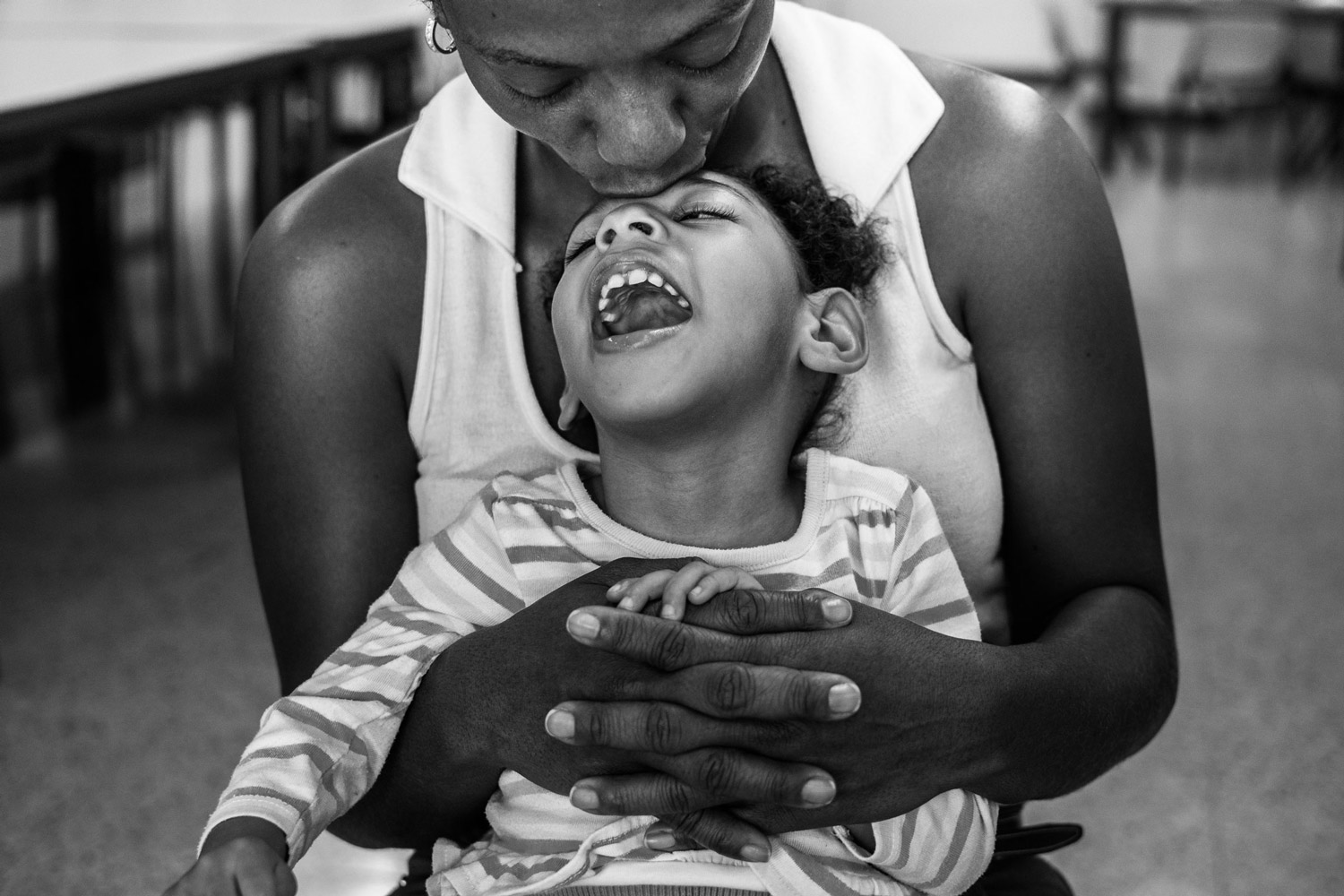
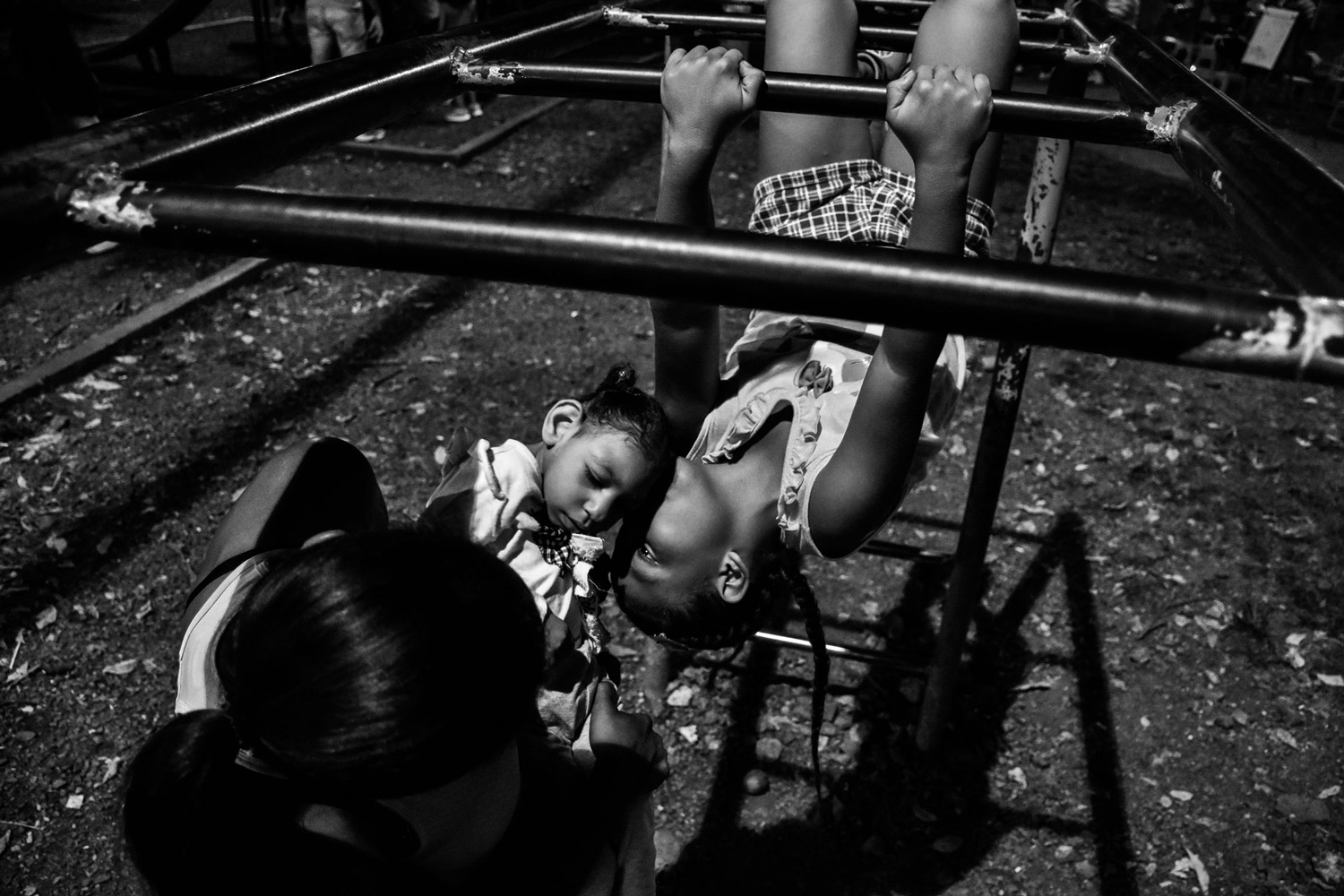
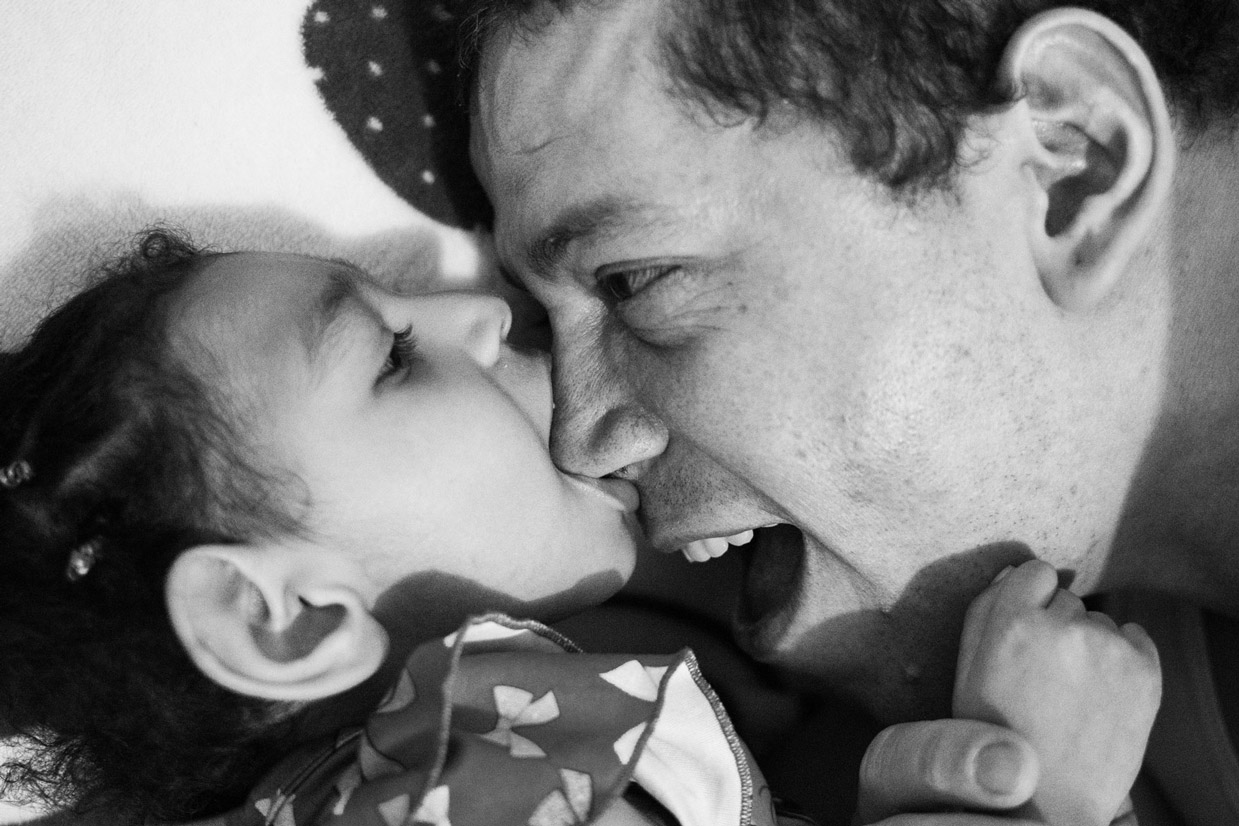



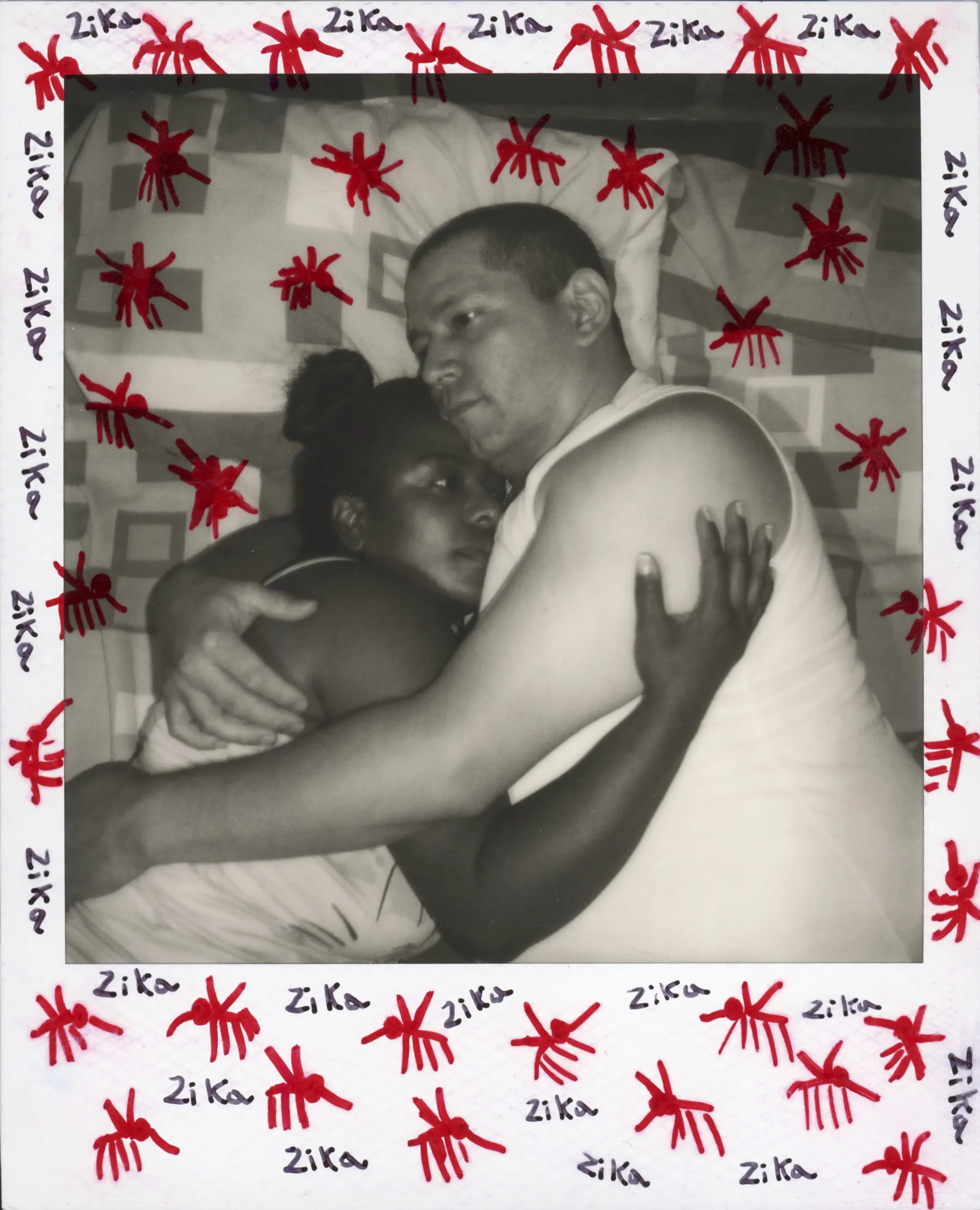
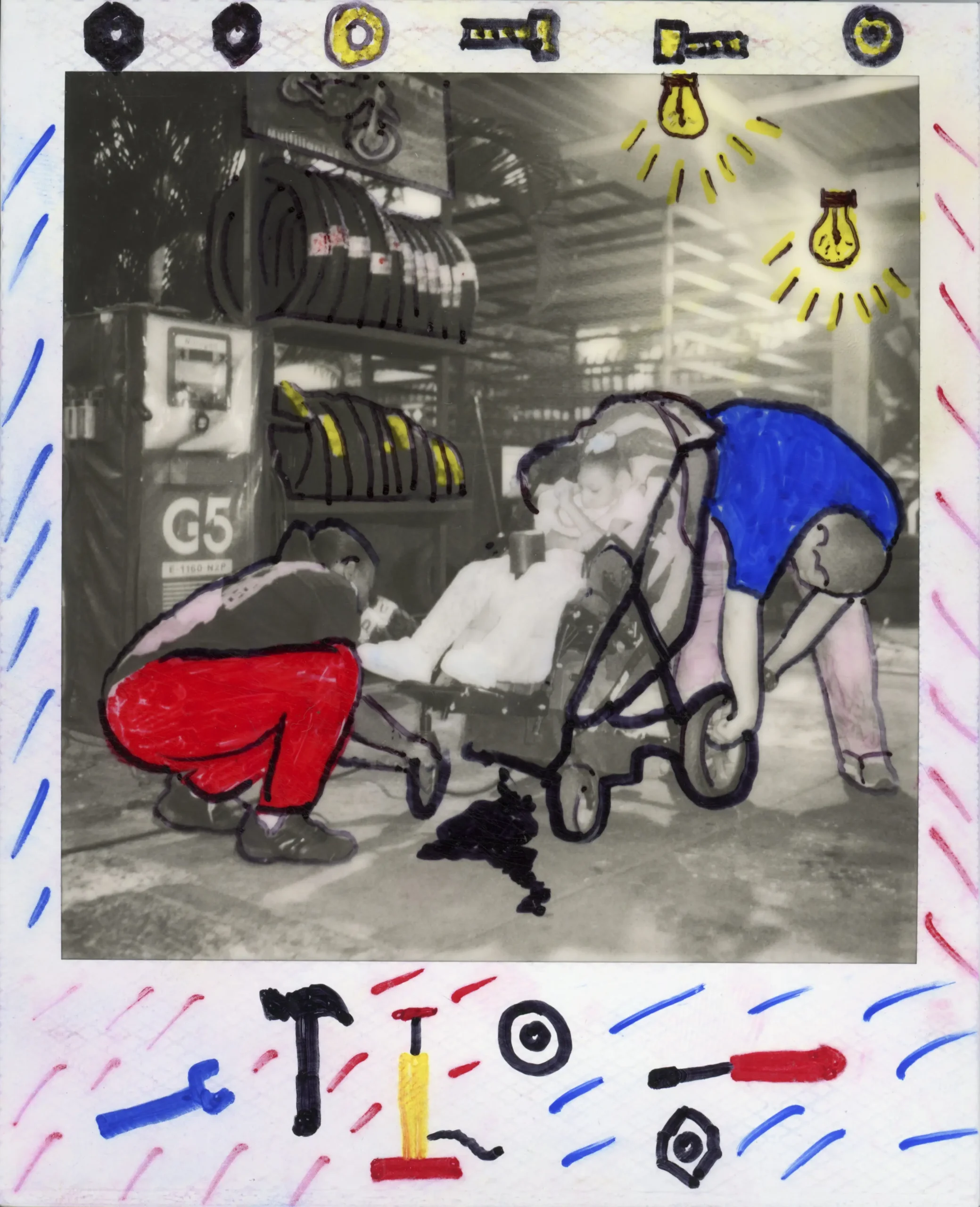
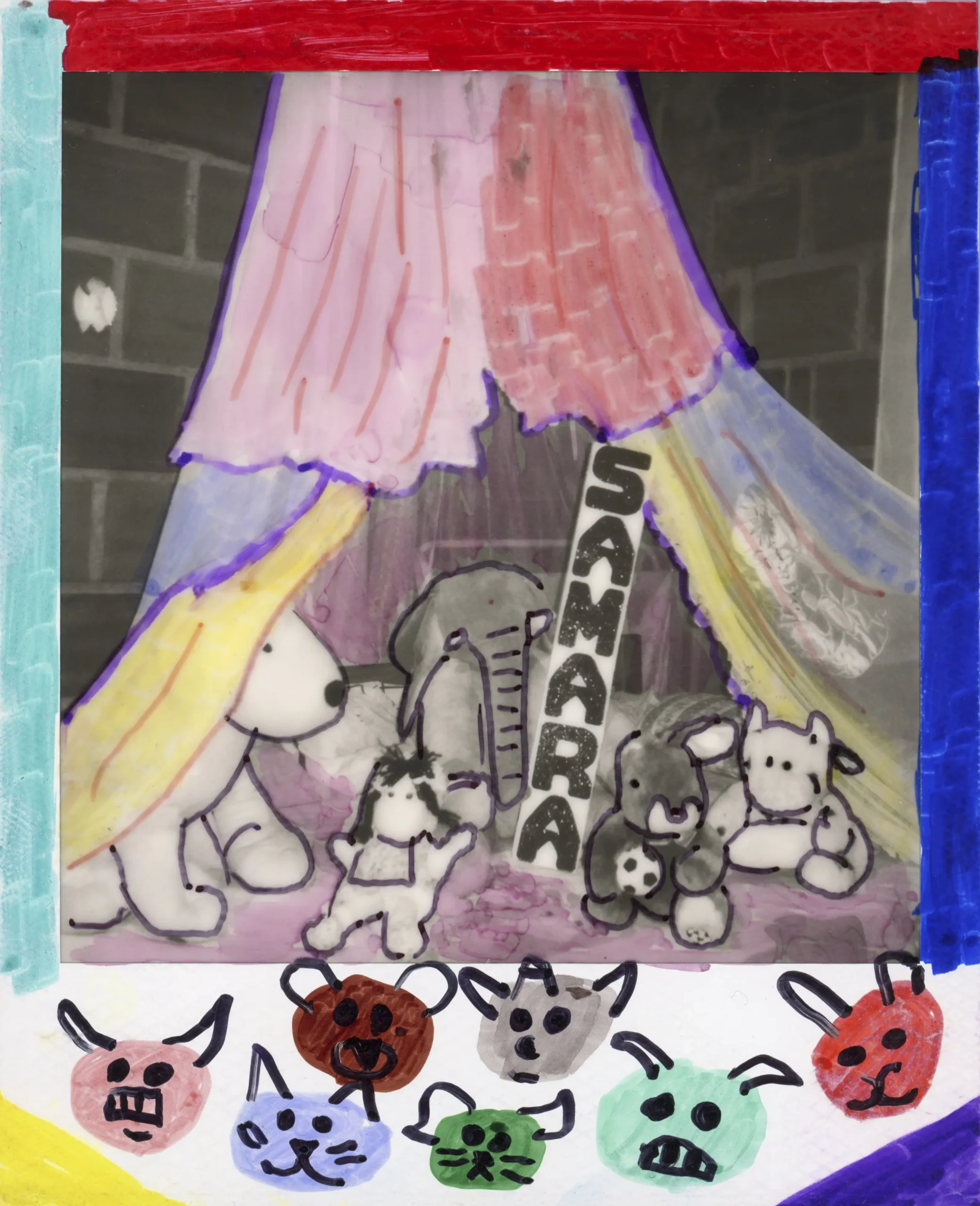
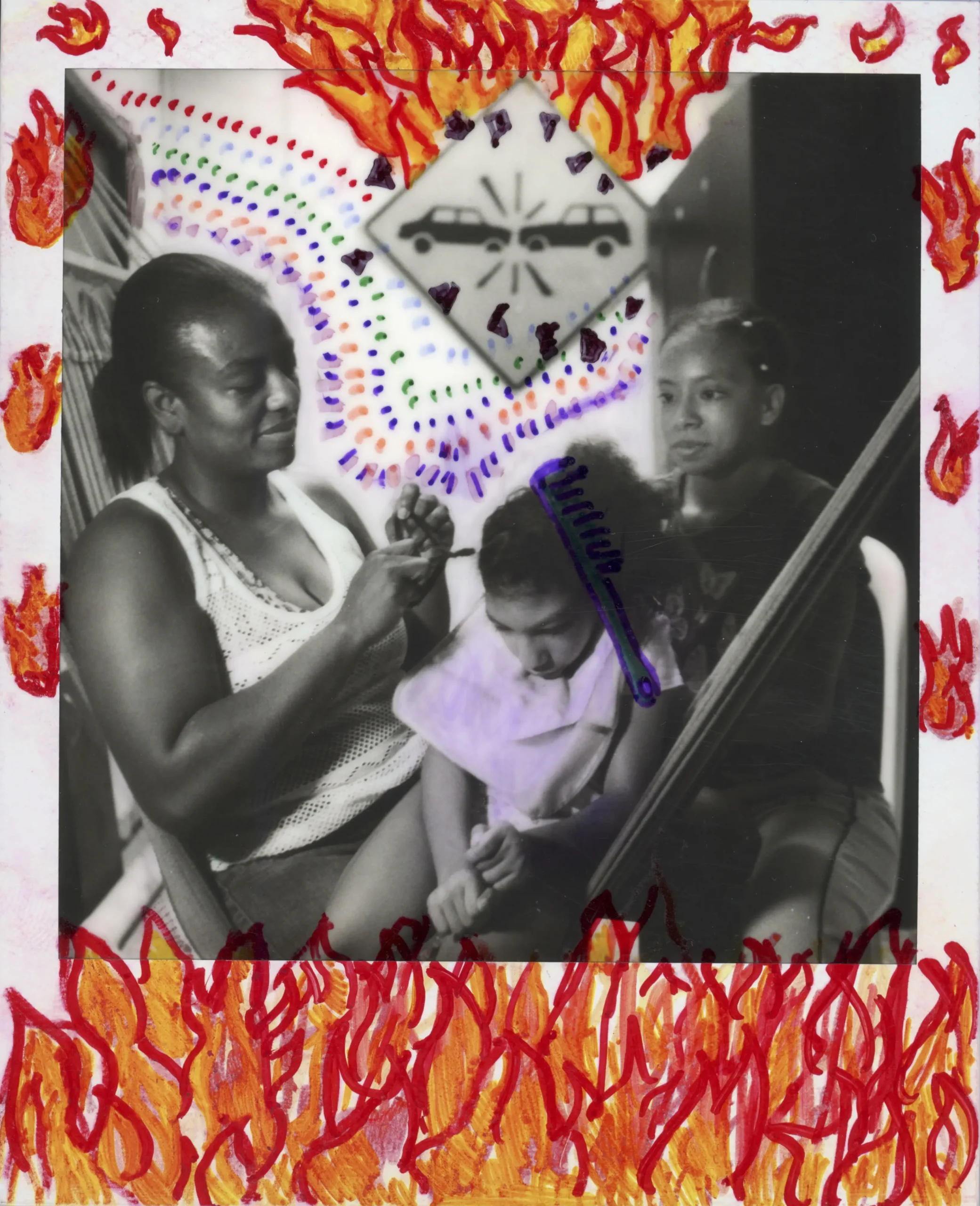
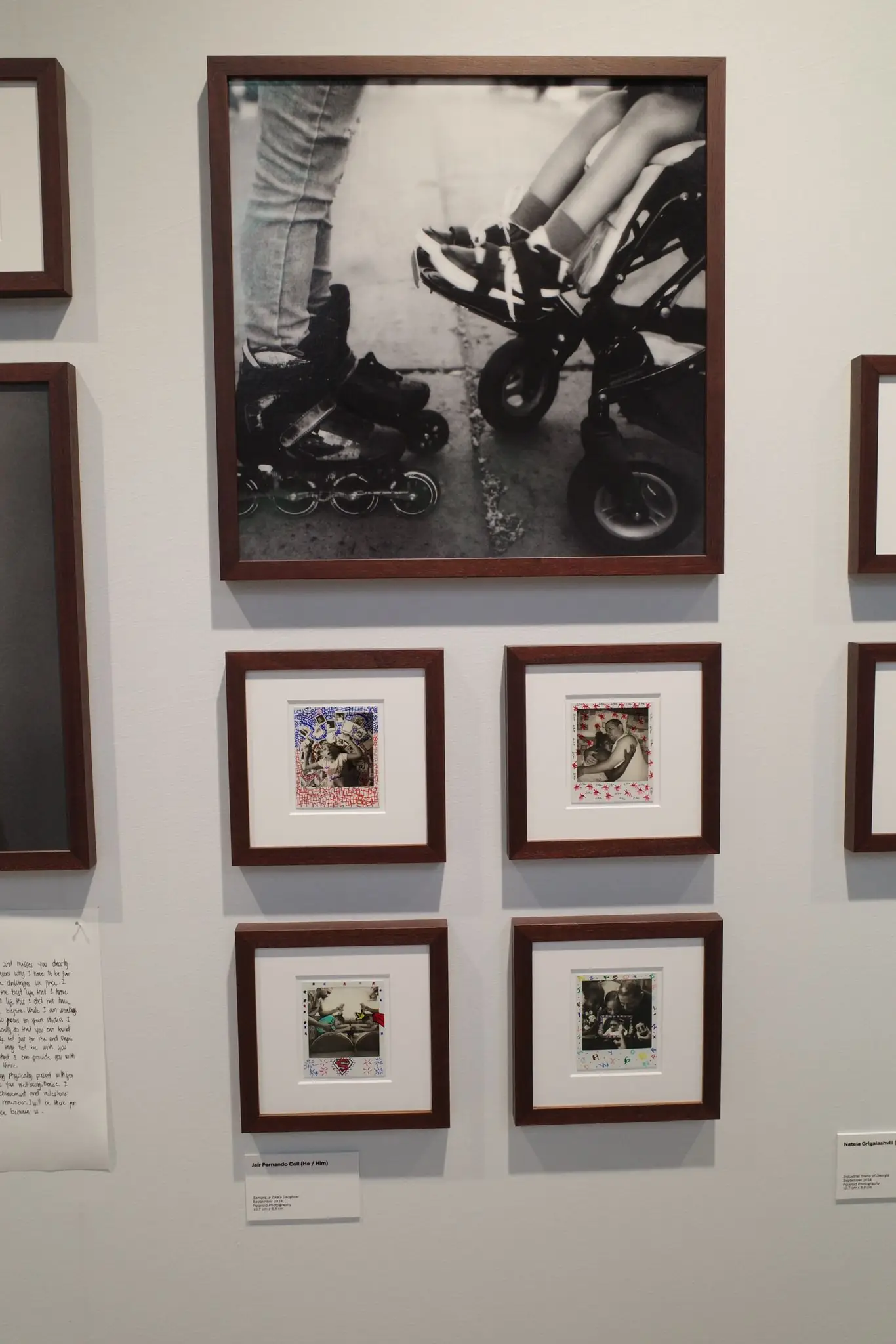
During the Zika epidemic in Colombia, between 2015 and 2018, 356 children were born with microcephaly. Samara Velásquez Corcino was one of them. Her mother, Eliana, contracted an asymptomatic form of the disease during pregnancy, causing irreversible damage to her second daughter. She decided to bring her into the world anyway.
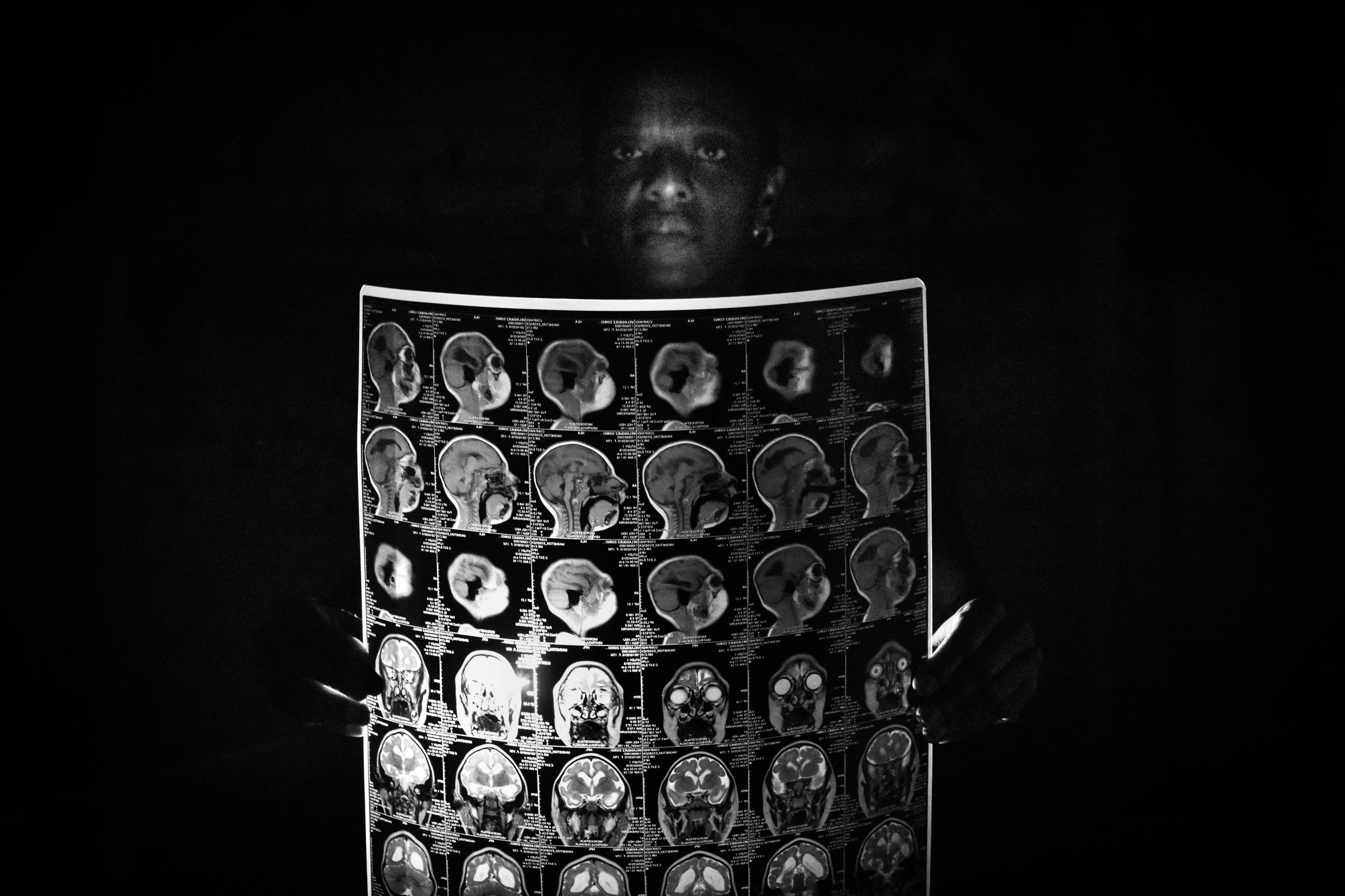
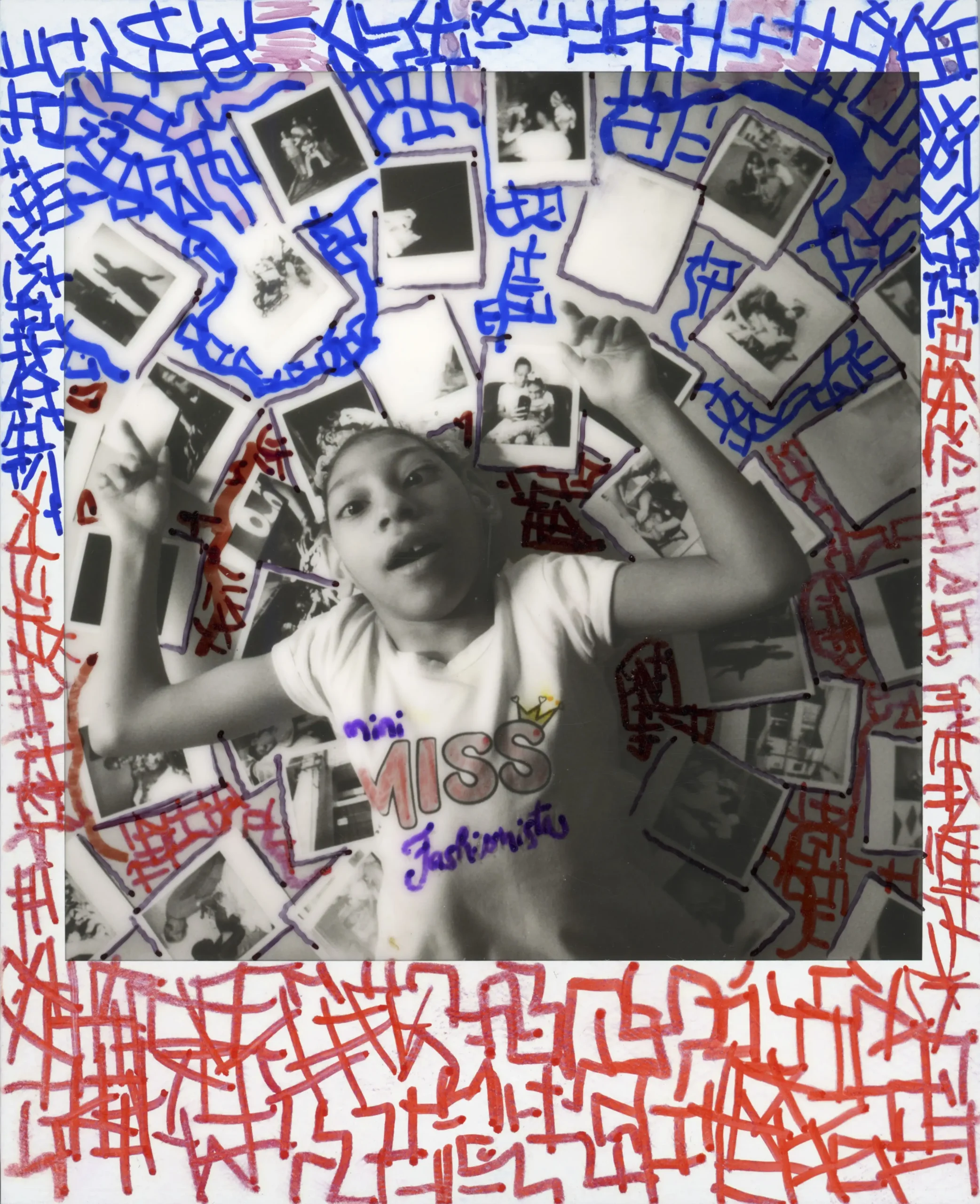
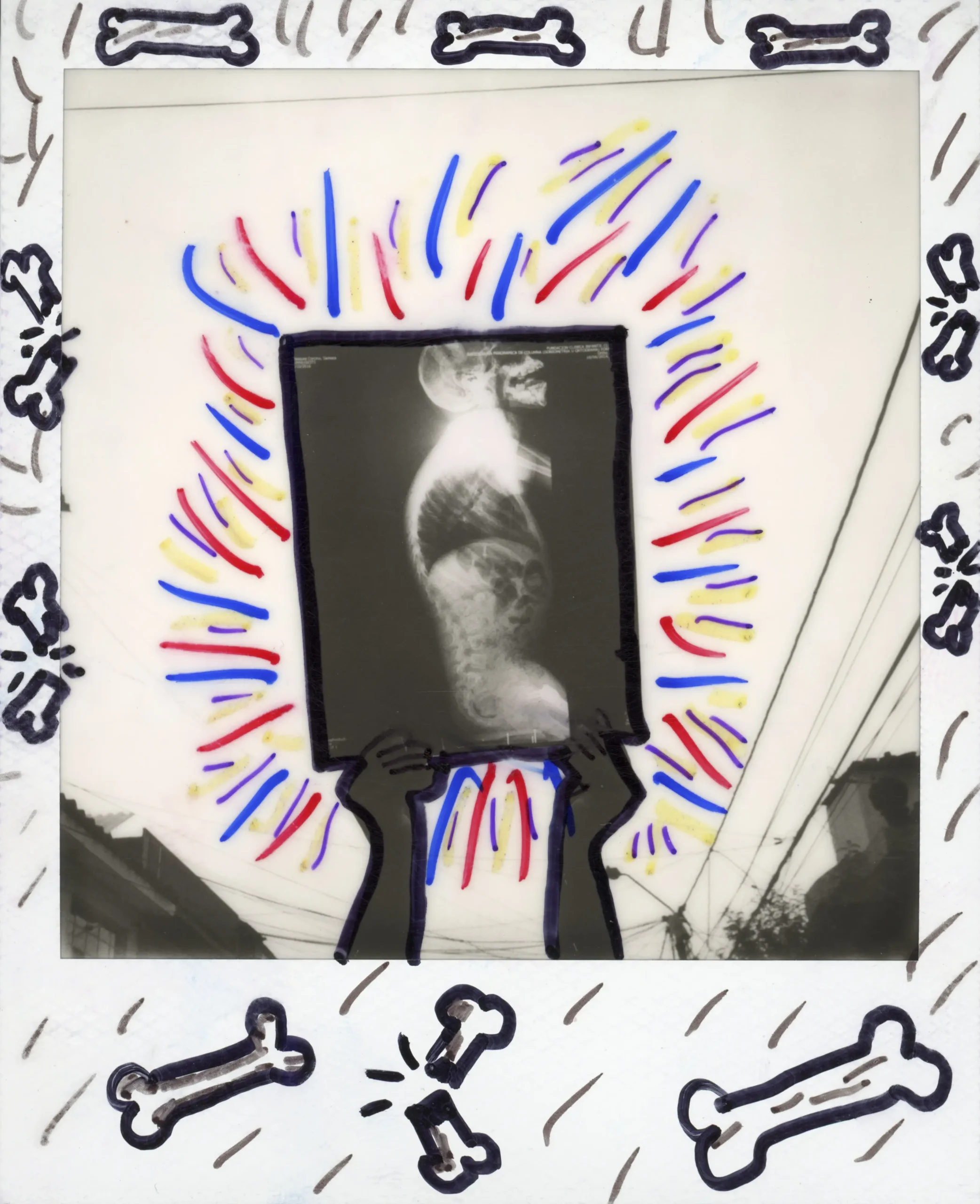
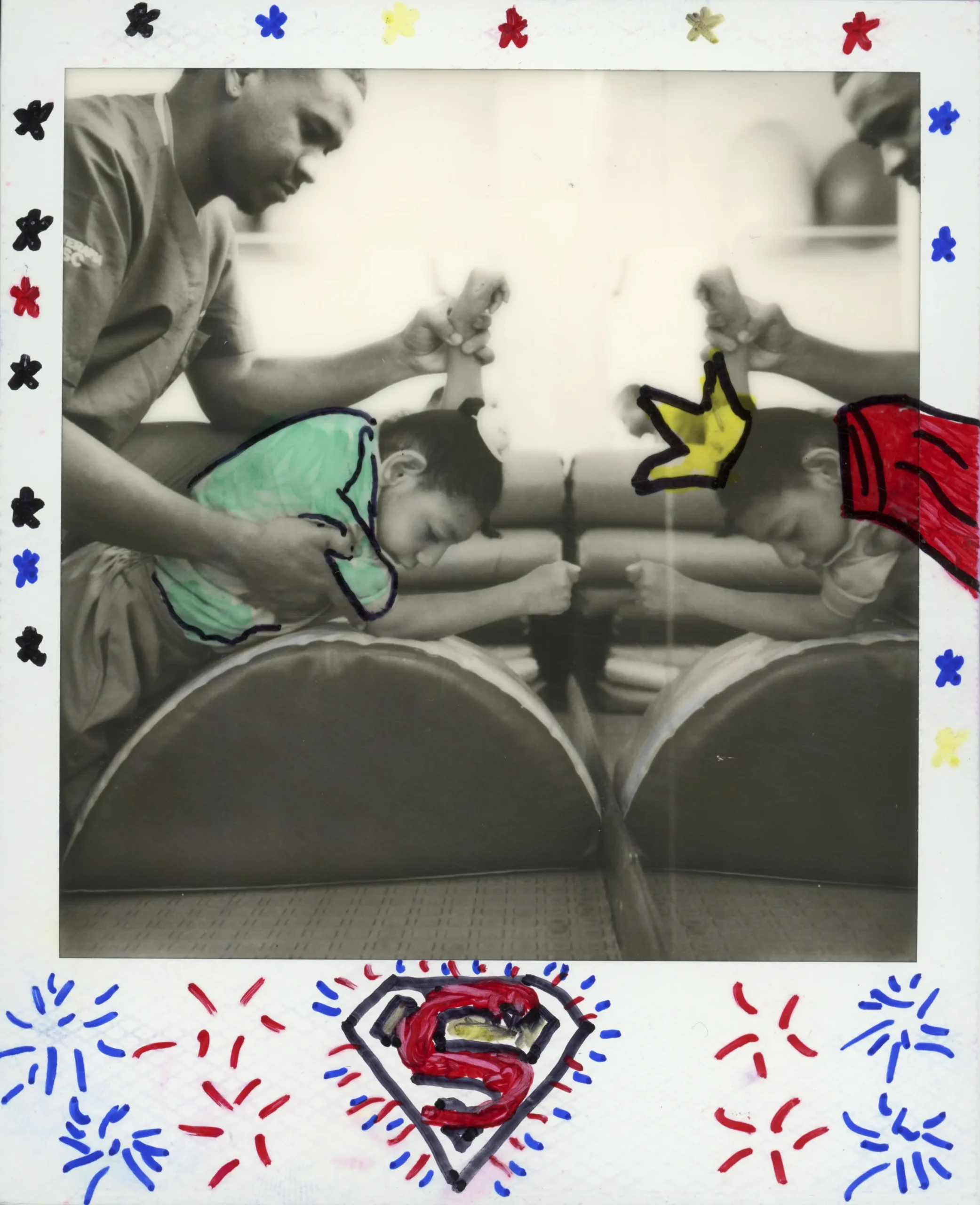
Microcephaly causes Samara, who is 3 years old, to have a 97% disability, forcing her to cope with delayed physical and neurological development, gastroesophageal reflux, severe spasticity (muscle contractions), lack of muscle mass, and other symptoms. More than ten specialist doctors have to attend to her every month.
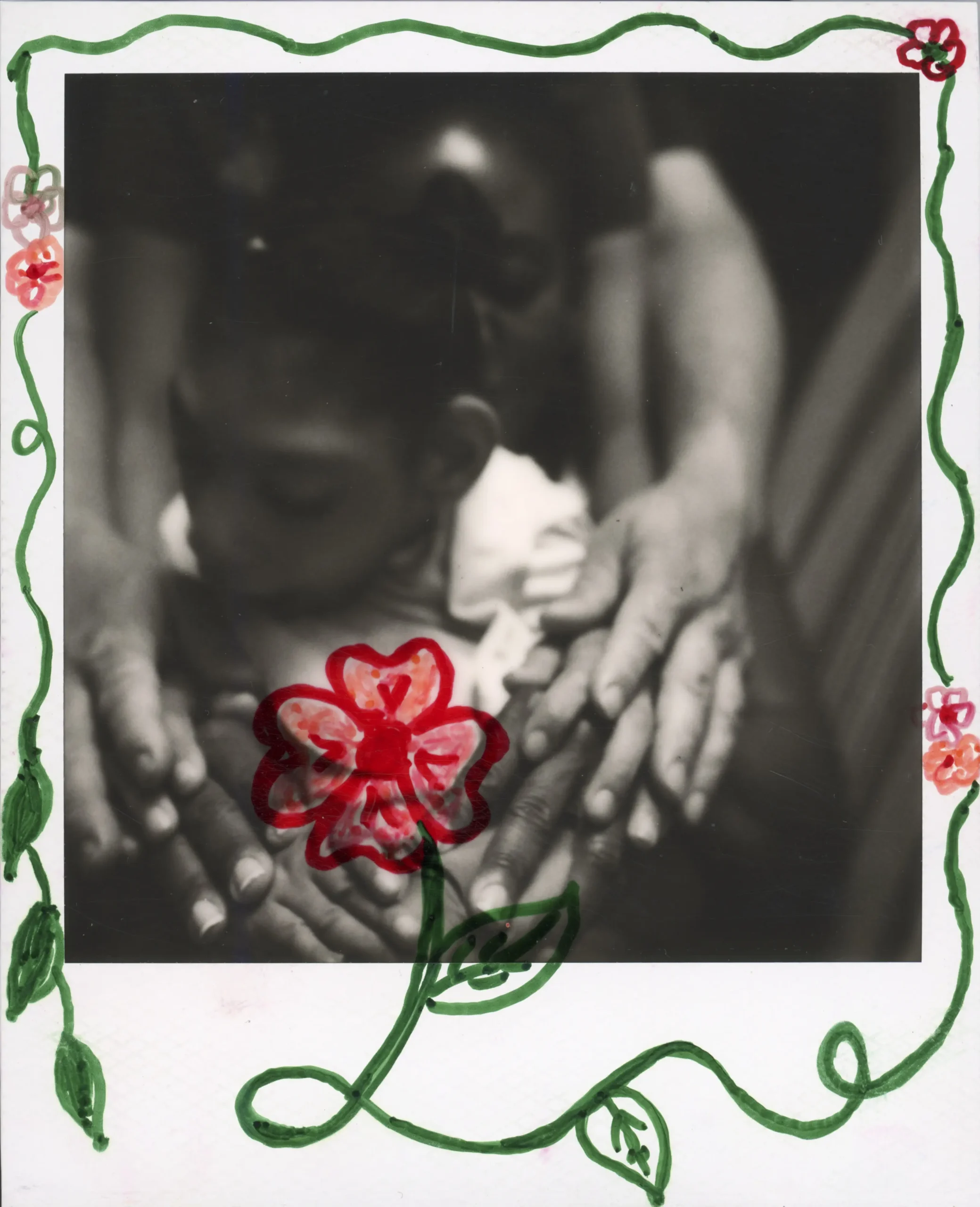
“I stopped being a woman to become a full-time caregiver,” Eliana says with stoicism. She quit her job as an esthetician and limited her personal leisure activities to devote herself entirely to raising Samara.
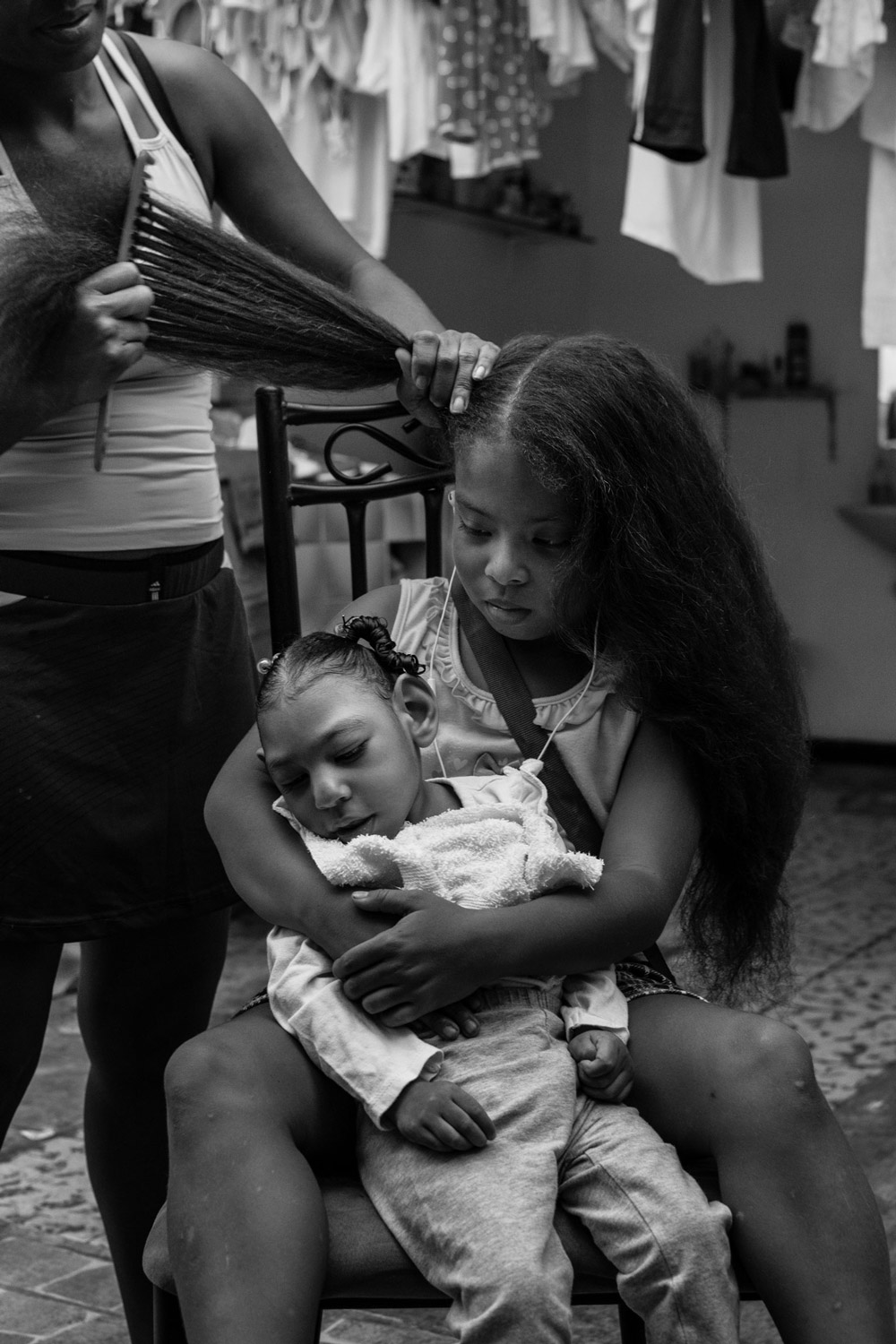
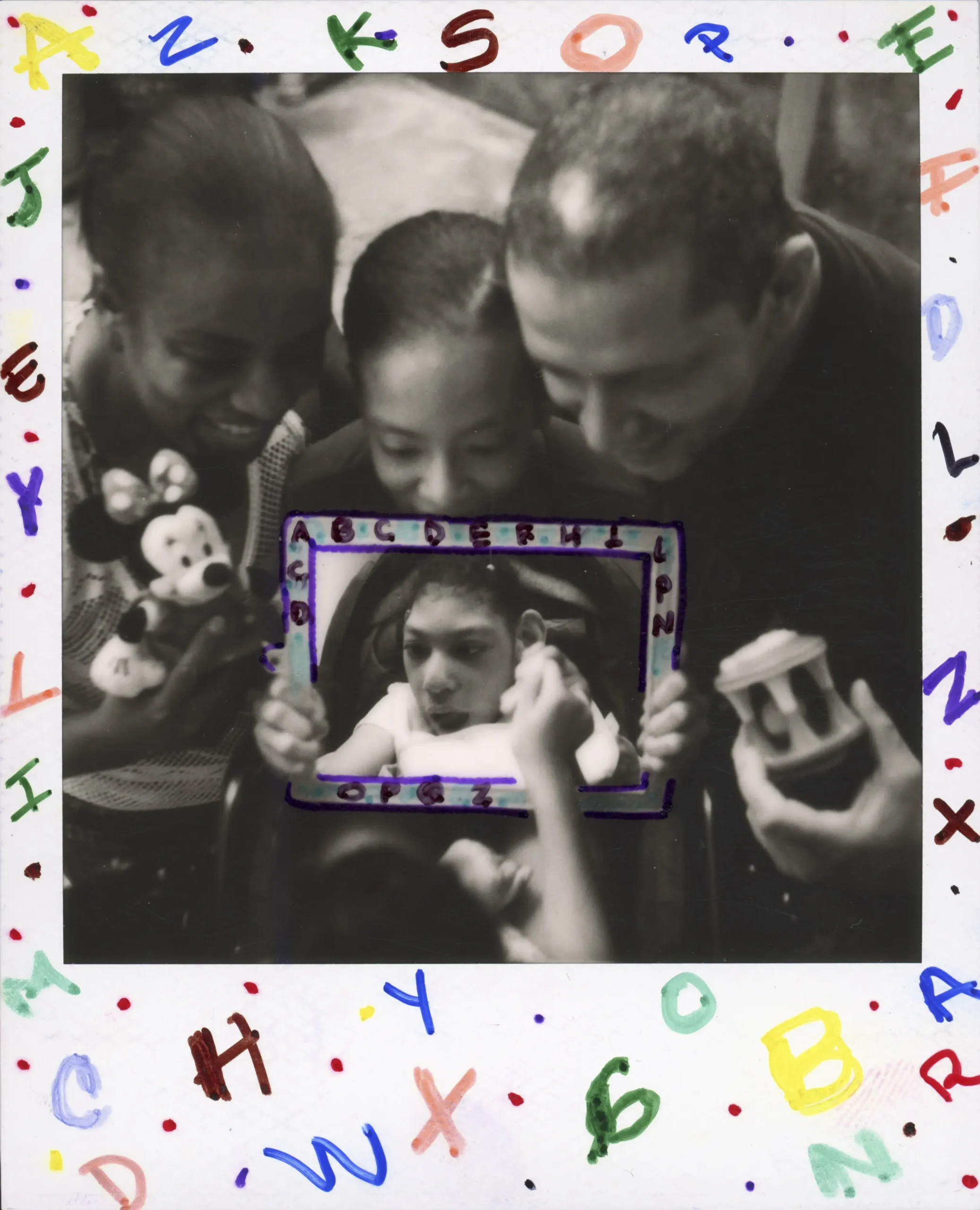
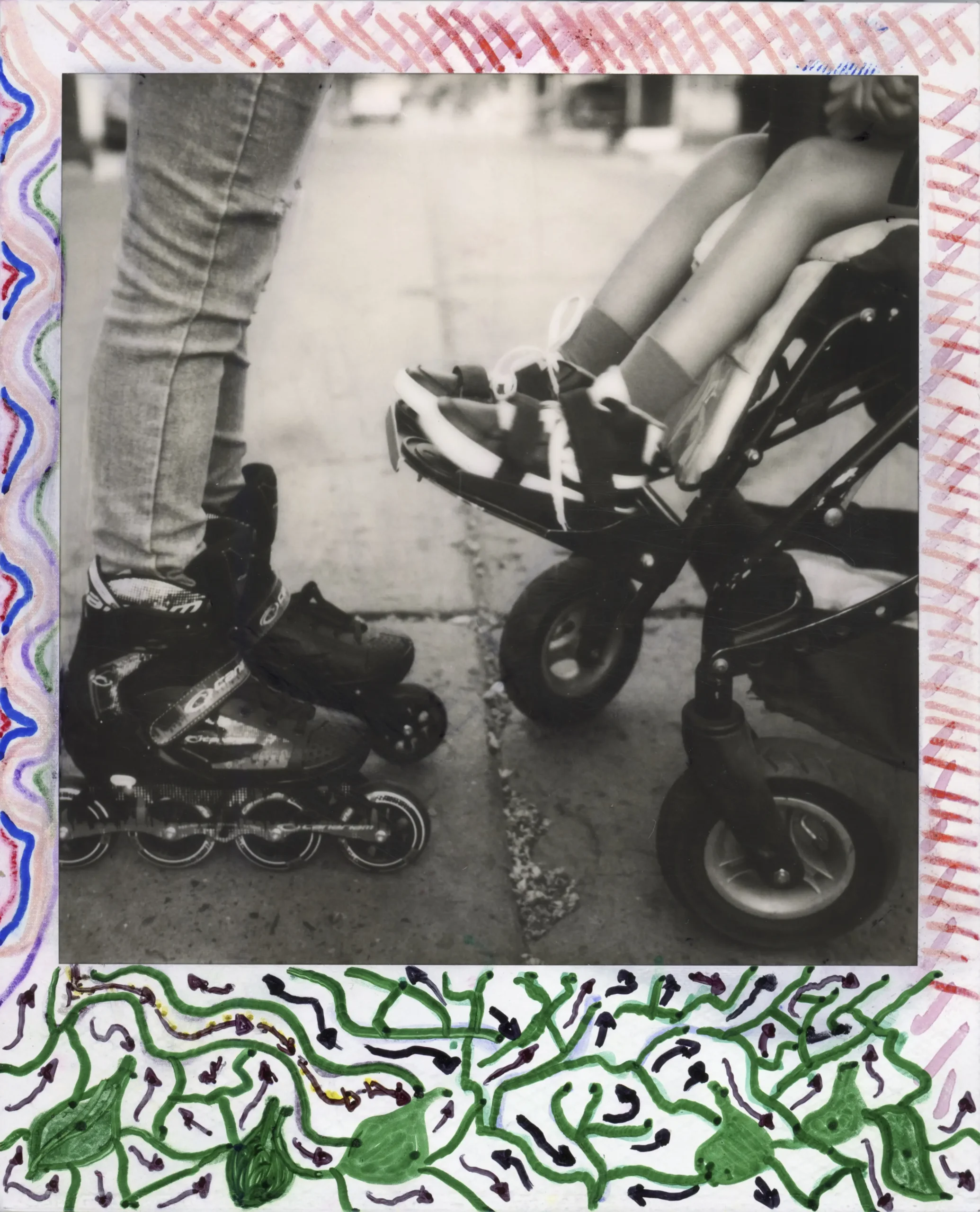
Fortunately, Eliana is not alone. She lives with her husband, Jean Paul, who serves as the family’s provider, and her first daughter, Brianna, Samara’s playmate.
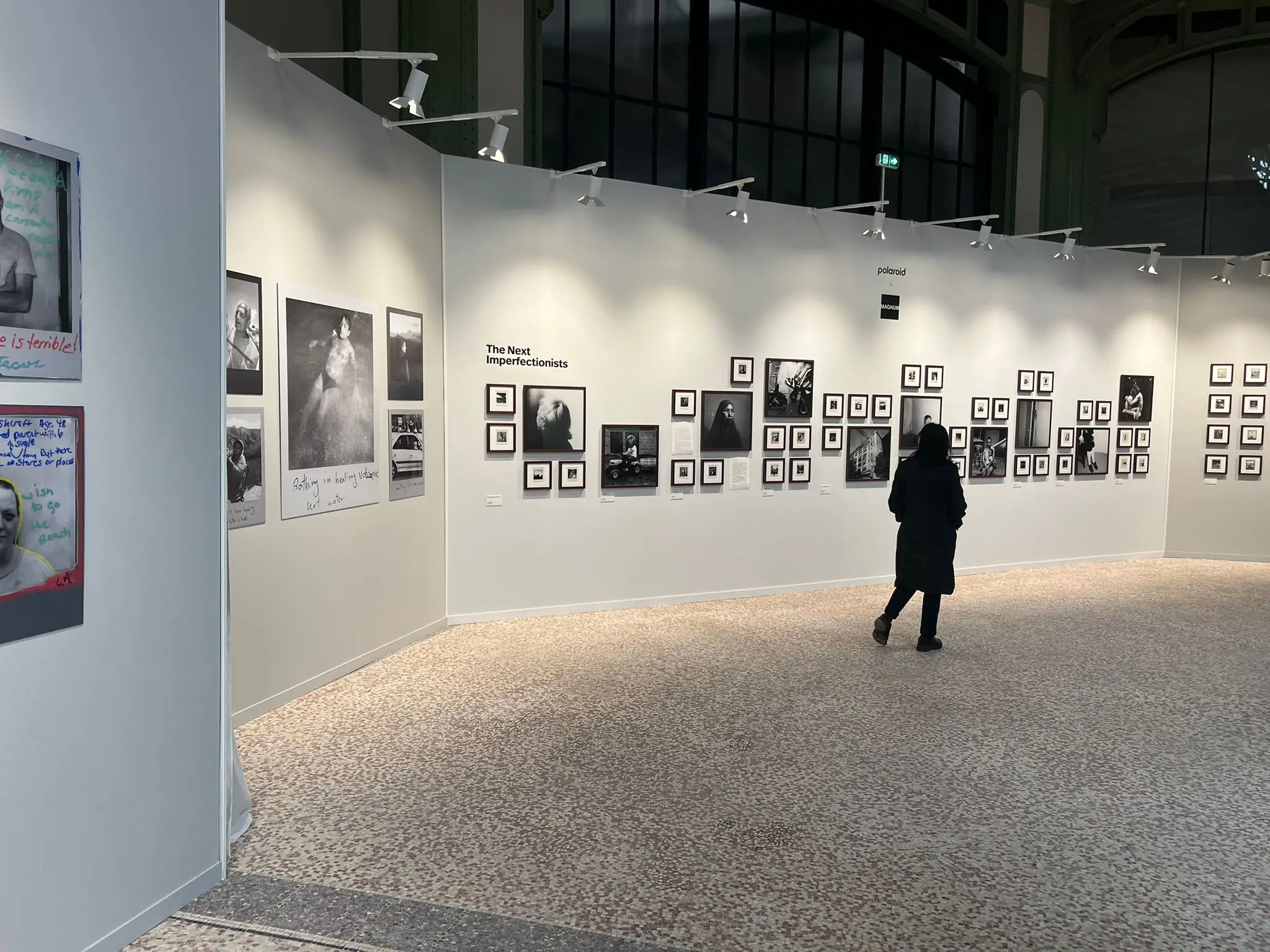
I took the first black-and-white photos in 2019, when I was a journalist for El País in Cali. I decided to revisit the story five years later, after receiving support from Polaroid x Magnum Foundation to create a second chapter. I photographed instant snapshots, which the family then personalized to show how they bring color to Samara’s life. These Polaroids were exhibited at ParisPhoto 2024, held at the Grand Palais, from November 7–10, 2024.
Discover more: https://www.polaroid.com/blog/journal/real-life-is-not-black-and-white