



I’ve been taking photographs in Quinamayó in west Colombia for around six years now, for a project about the town’s Black Baby Jesus celebrations. Quinamayó is what is known in Colombia as a palenque, a community founded by enslaved people who fled the country’s haciendas before slavery was abolished in the 1850s. These people had not been allowed to preserve their African cultural beliefs – nor to participate in the most important Catholic events, even though they had been forced to convert to Catholicism. So in Quinamayó they decided to perform their own version of Christmas, 45 days after the traditional date – the same number of days the Virgin Mary is said to have rested after the birth. The celebration still takes place every year in mid-February.
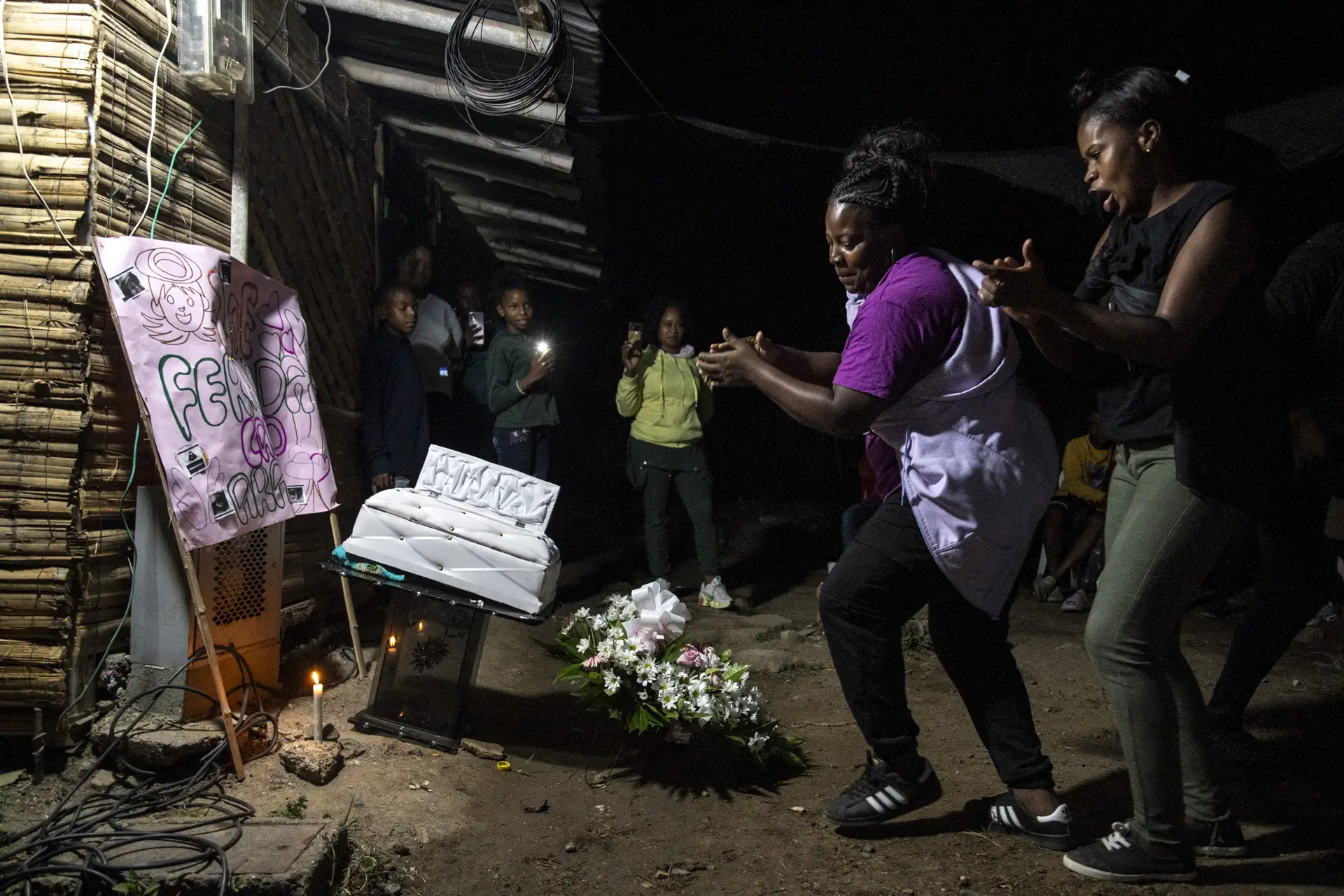
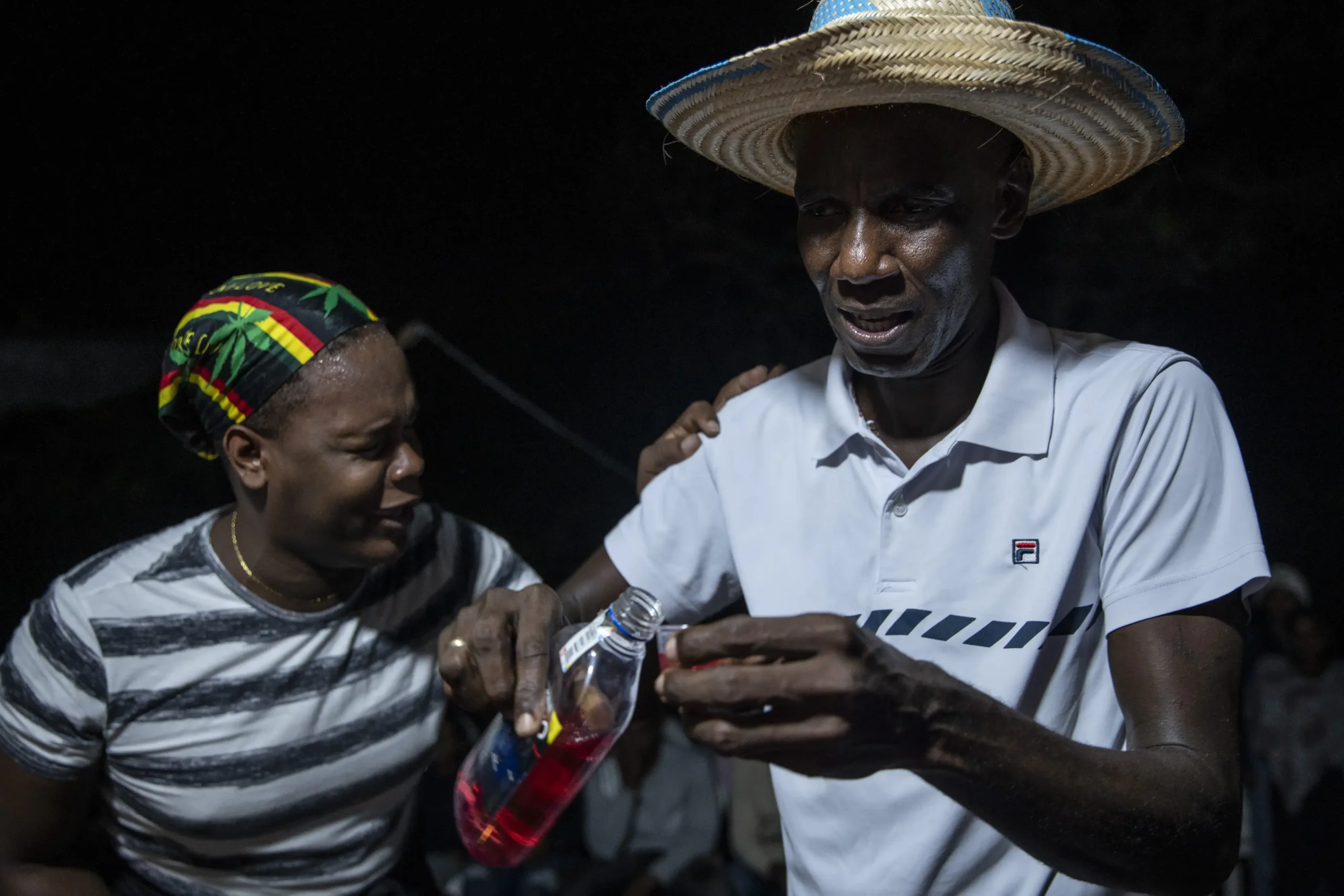
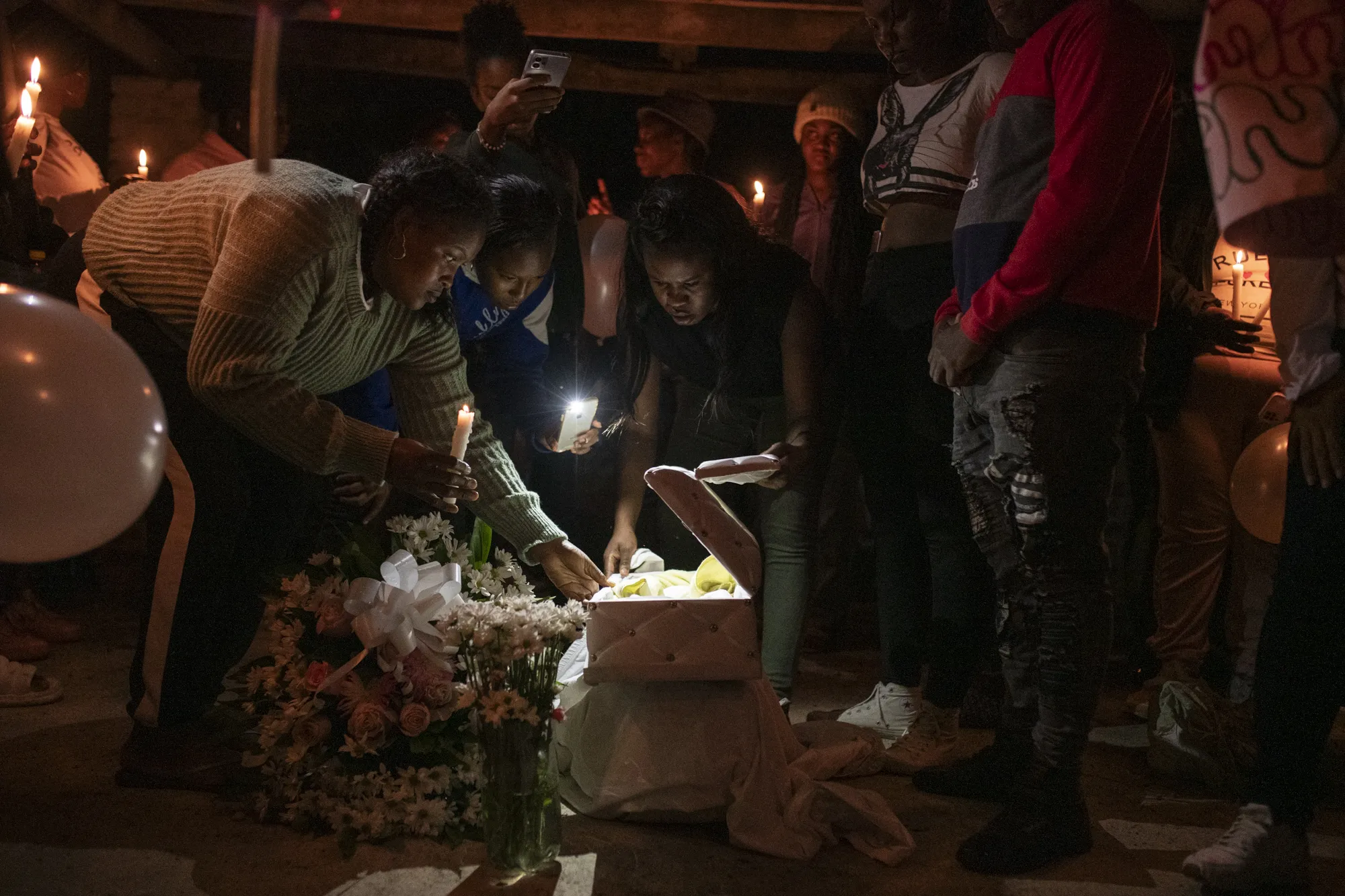
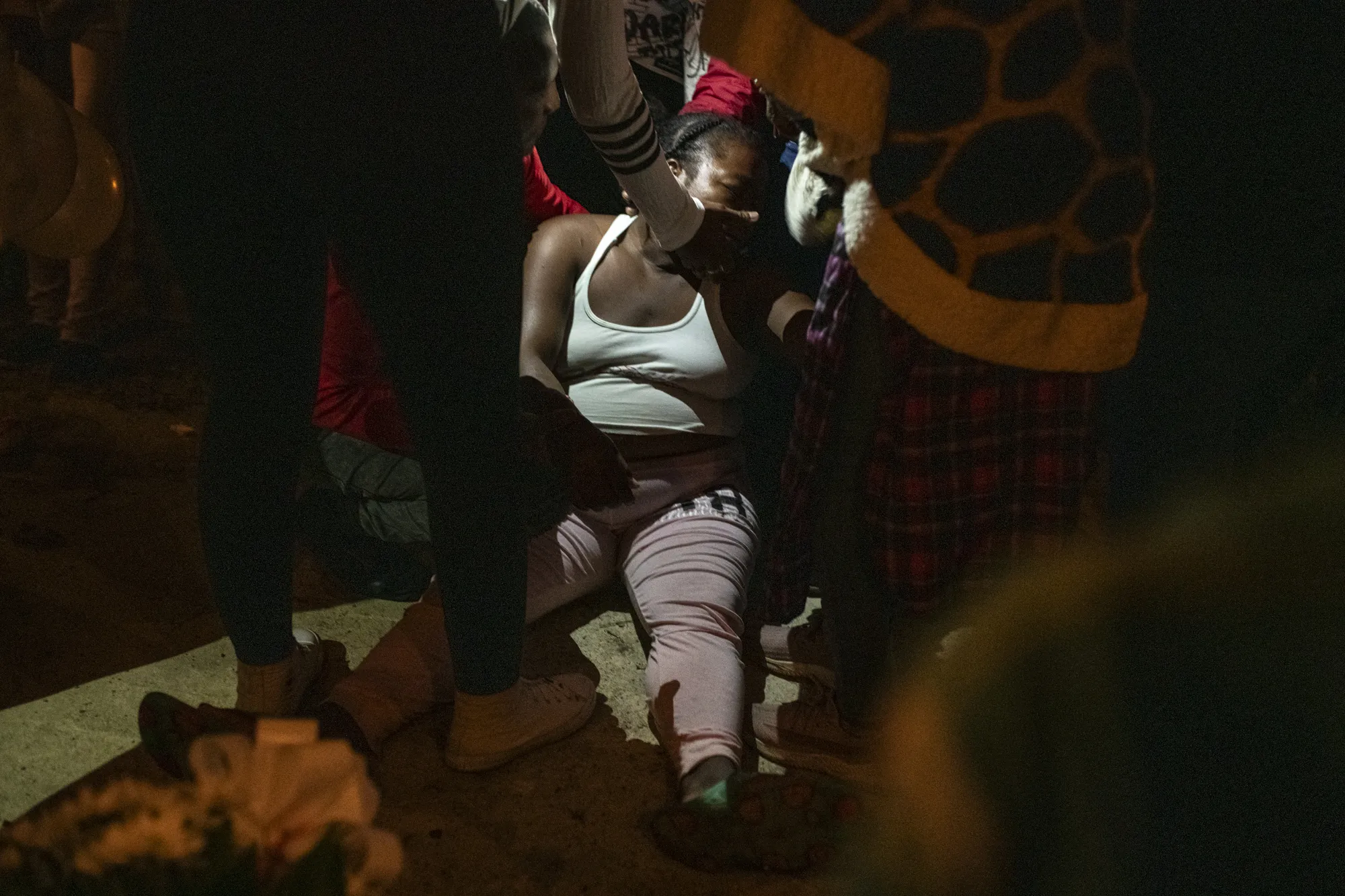
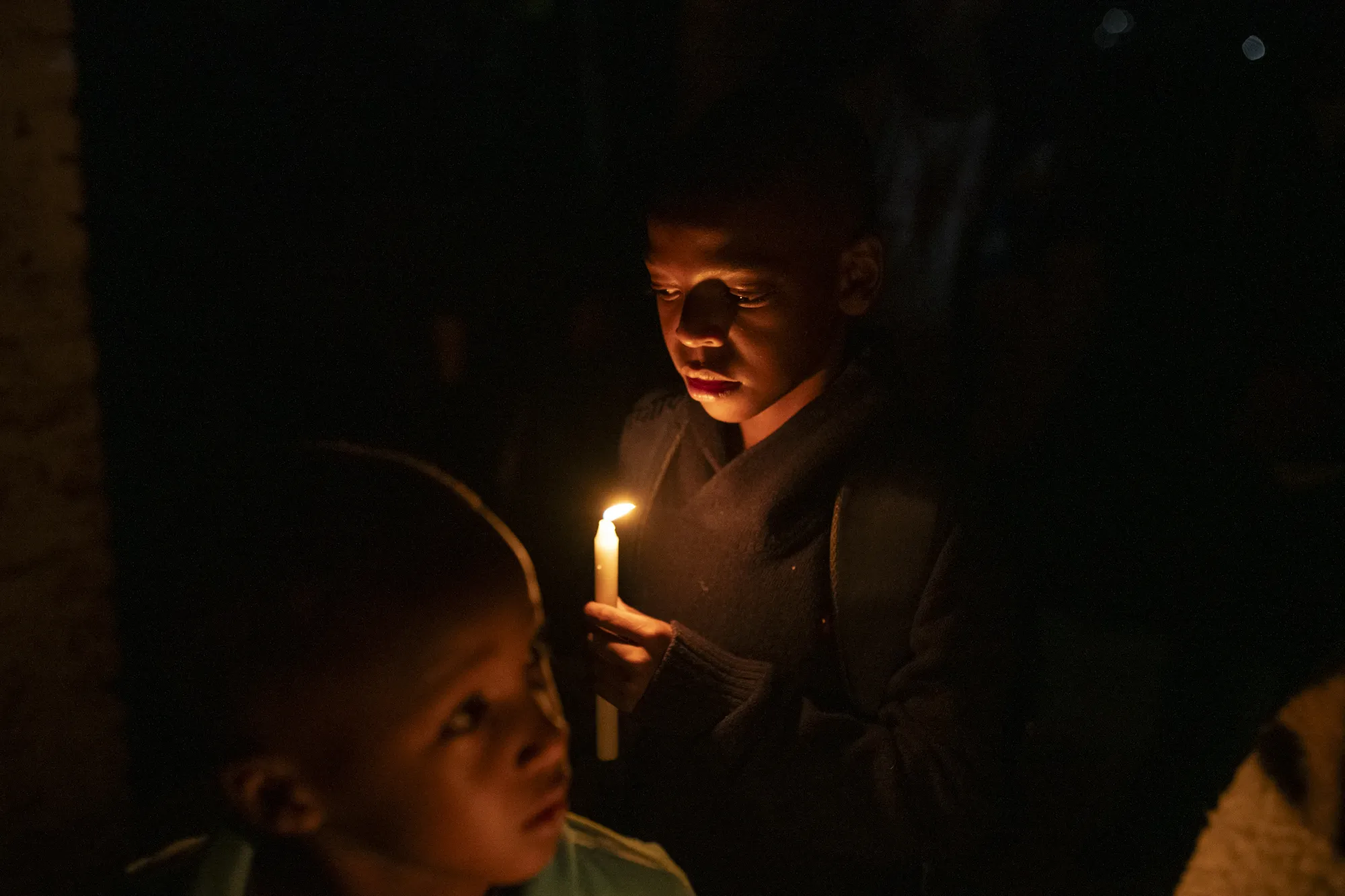
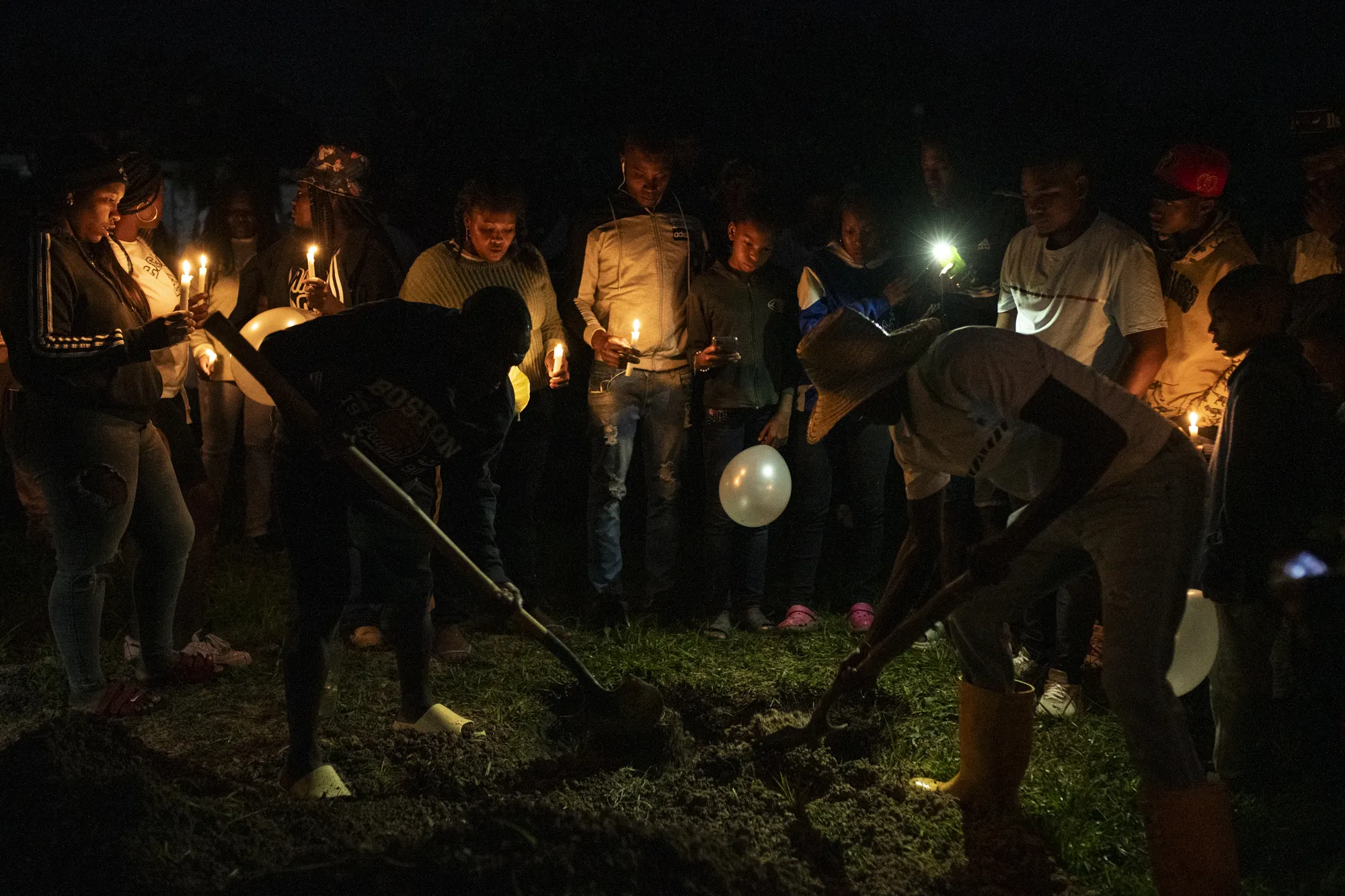
Three days after I’d photographed this year’s celebration, the director of Quinamayó’s juga band messaged me to say a child had died in the town and a bunde was going to take place that night. That’s a ritual in which a child up to the age of 10 is both mourned and celebrated – the tradition dates back to a time when the passing of children was seen as a release from the suffering of slavery. It was something I hadn’t witnessed before. Quinamayó is an hour and a half from my home by car, so I set out immediately.
Everyone in the neighbourhood is invited to a bunde. There’s a rule you have to respect if you are going to take part, even as a singer or dancer or a member of the band – and that rule is that you cannot go home before the child is buried at midnight. If you try to leave before the end, their spirit will chase you, forcing you to return. According to what I was told, the ghost will take the form of an animal, an insect, a butterfly, a sound, or an invisible hand that will come to fetch you.
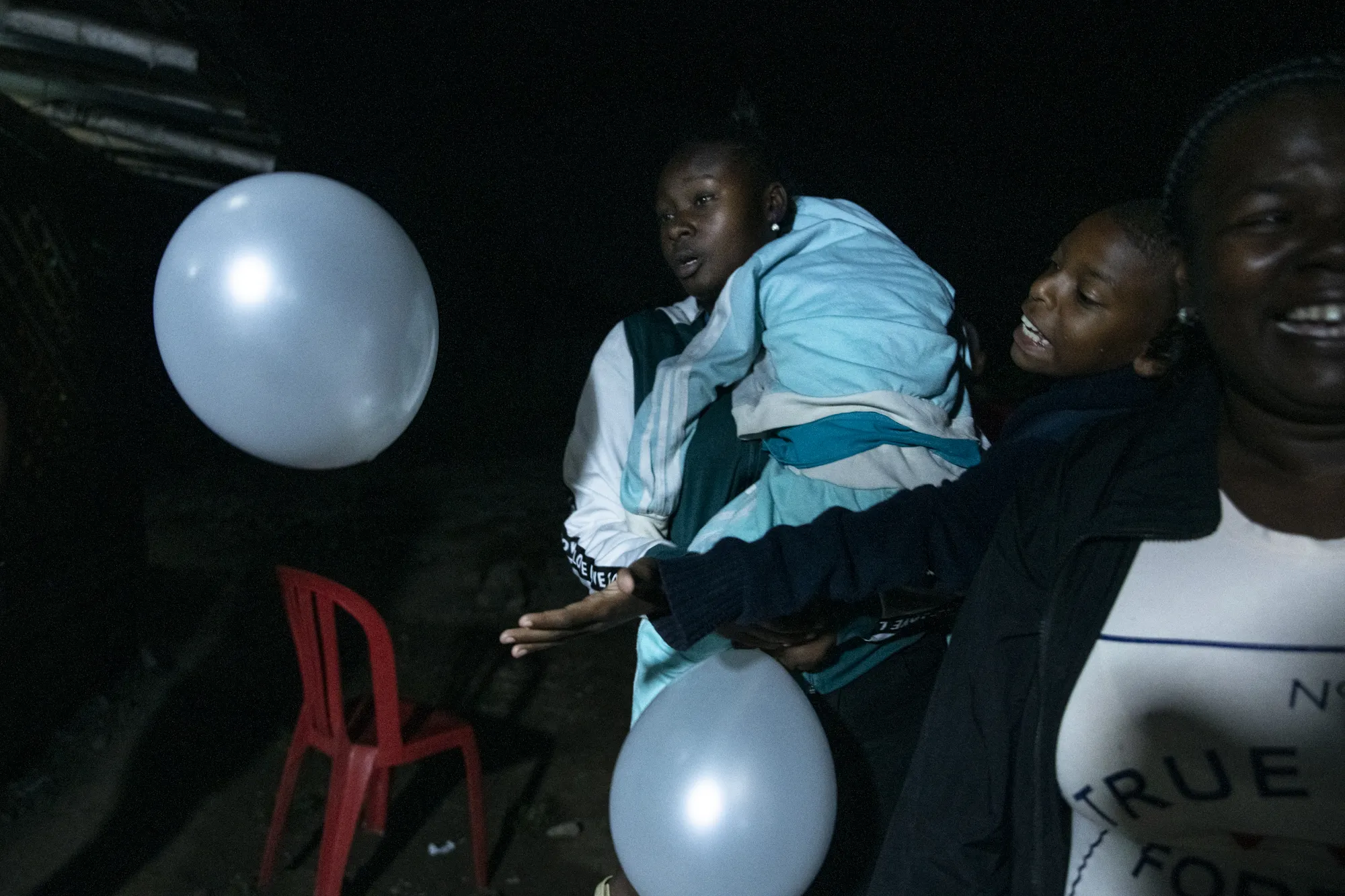
For the people of Quinamayó, life begins at the moment of conception, and the baby being celebrated in this bunde had been lost due to miscarriage four months before her due date. Her mother Jessica wasn’t well enough to be present – she stayed inside her house, the building in the photograph. Other members of her family took part. Some of the children you can see filming on their phones in the background are Jessica’s cousins and nephews, and the two women – Mónica Carabalí and Nazly Paola Ramos – are friends of the family. The baby, referred to by many as angelito (little angel), was named Zoe Fernanda Camacho Aranda, and it is her tiny burial casket they’re dancing in front of.
Continue reading: https://www.theguardian.com/artanddesign/article/2024/jun/05/jair-f-coll-my-best-photograph-colombia-bunde