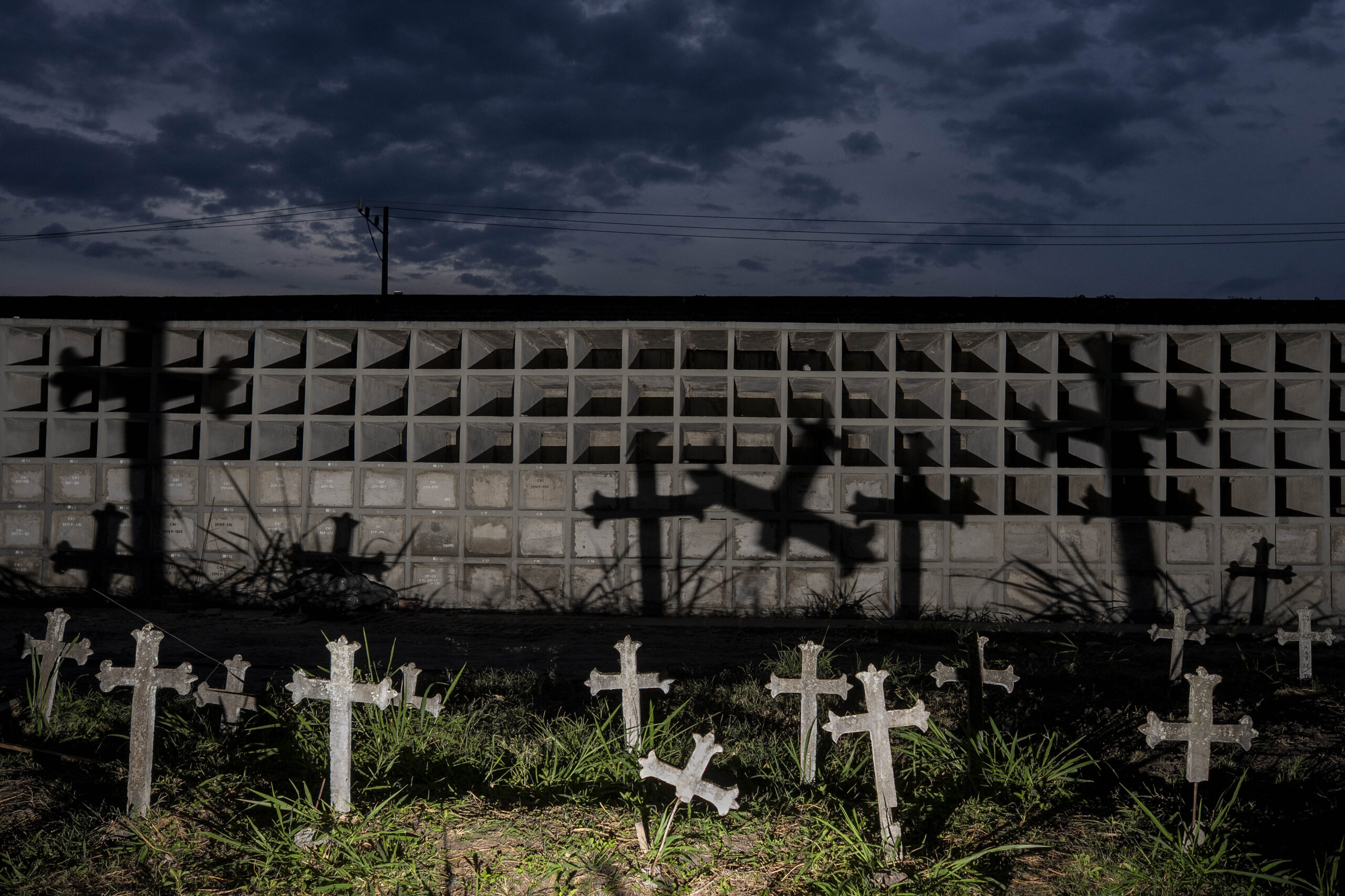
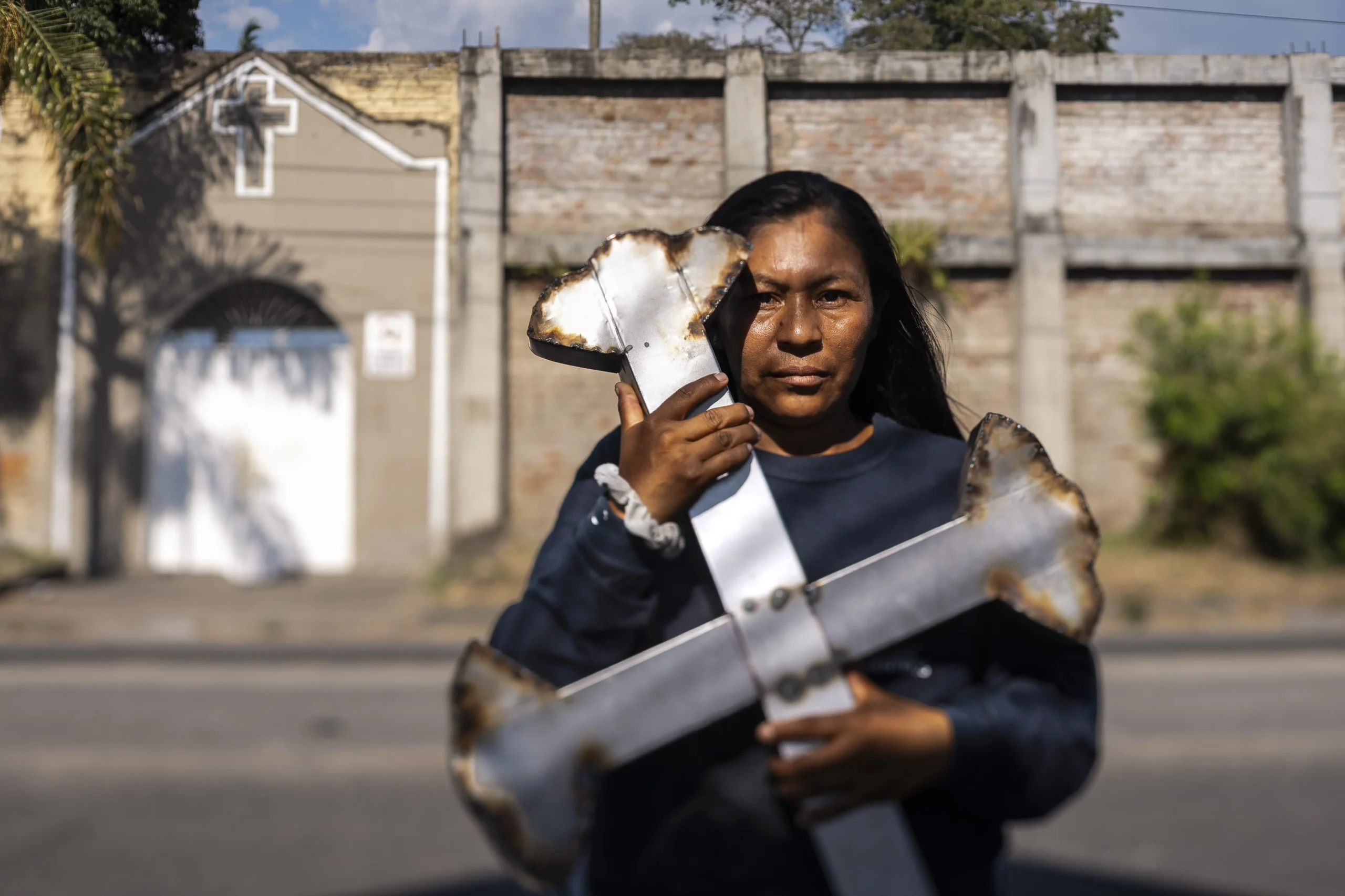
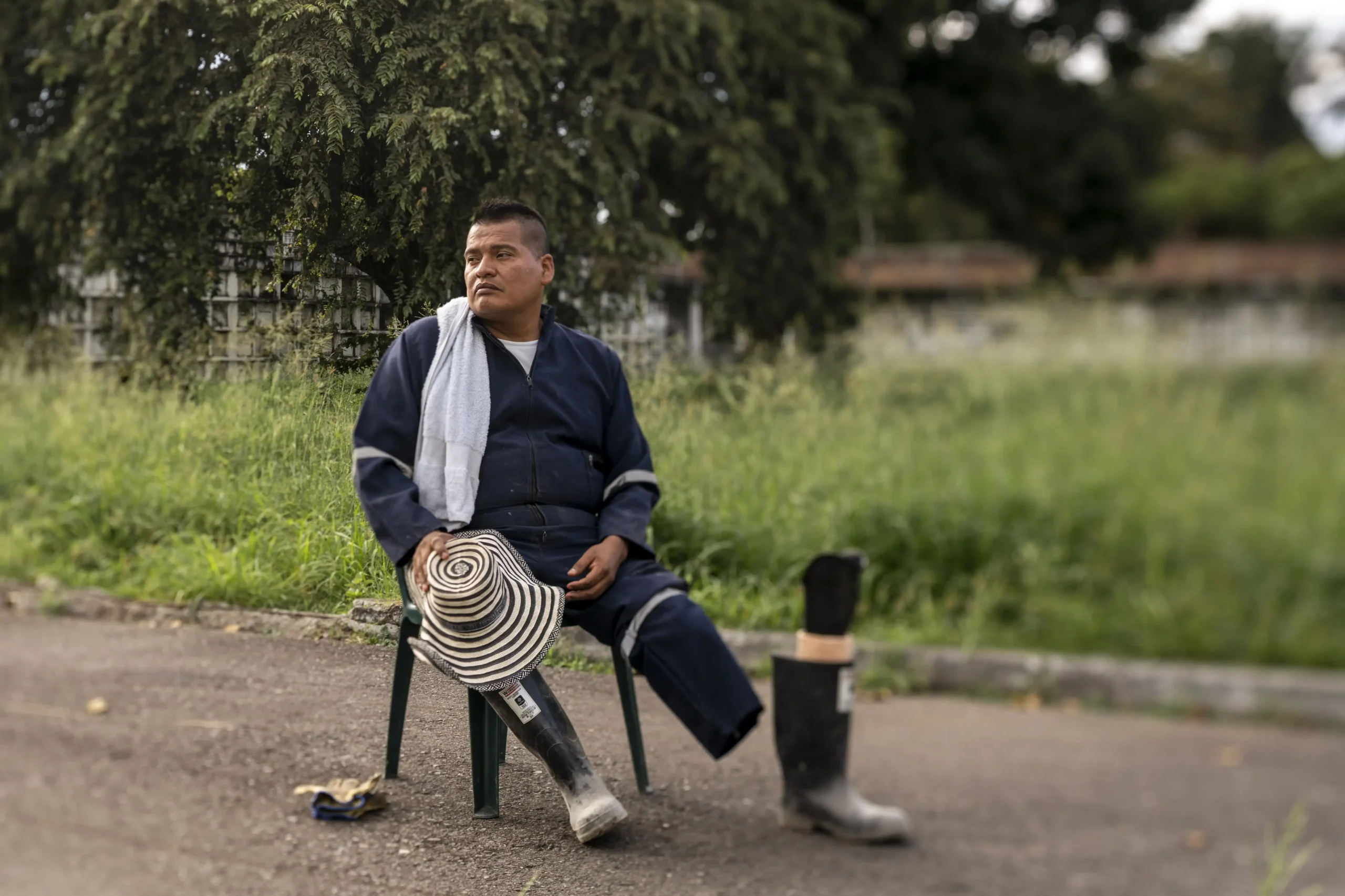

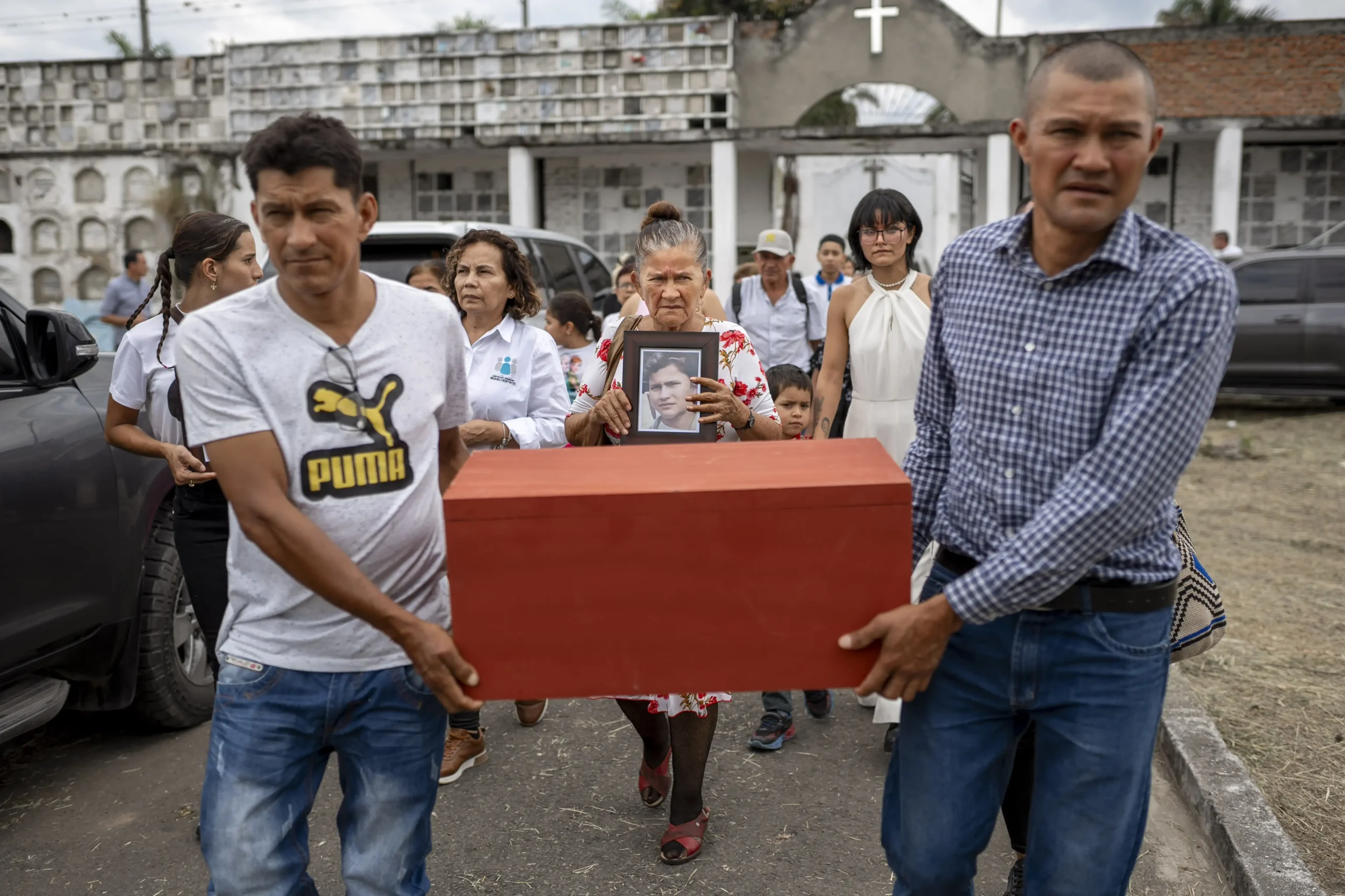
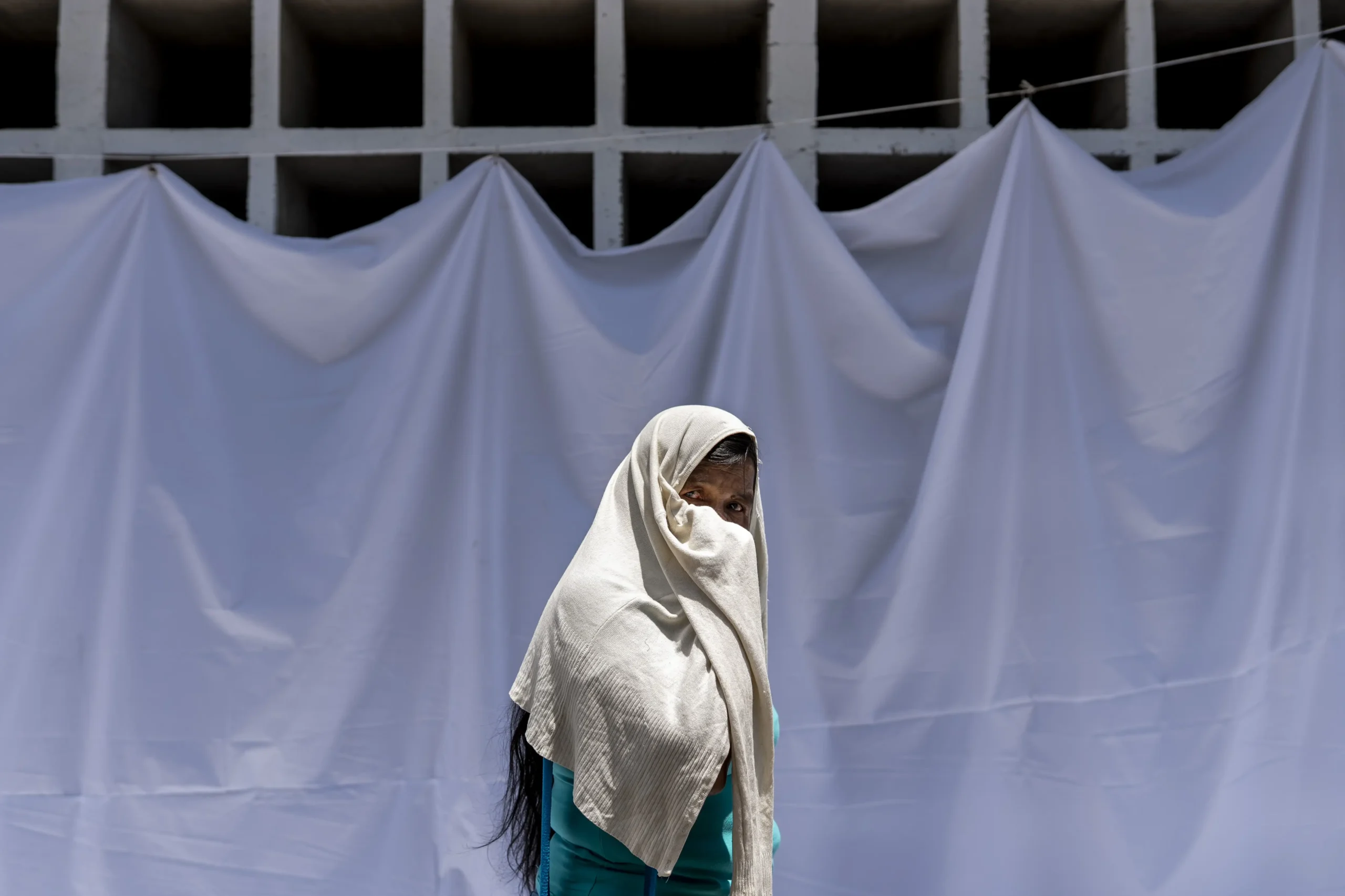
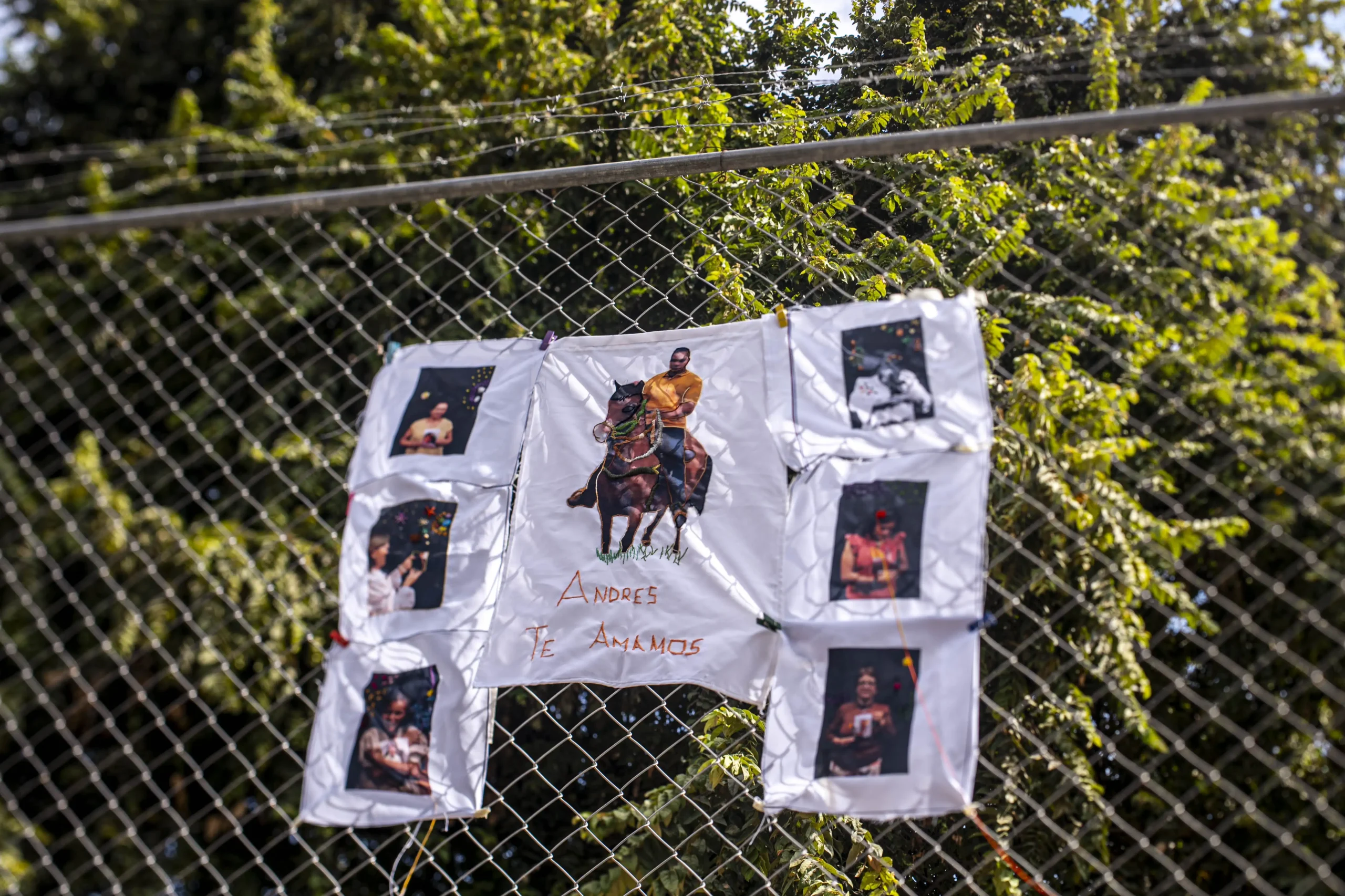

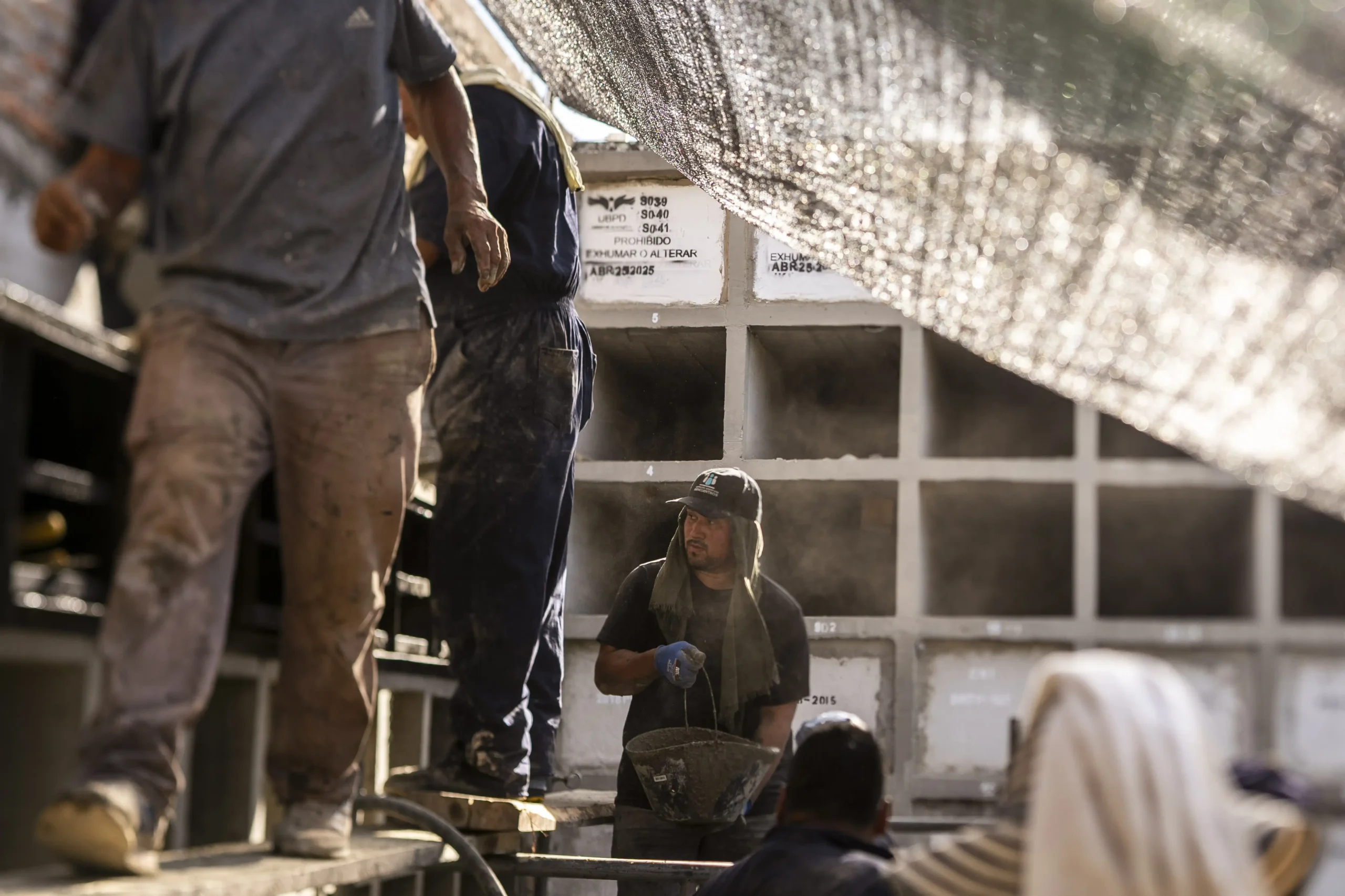
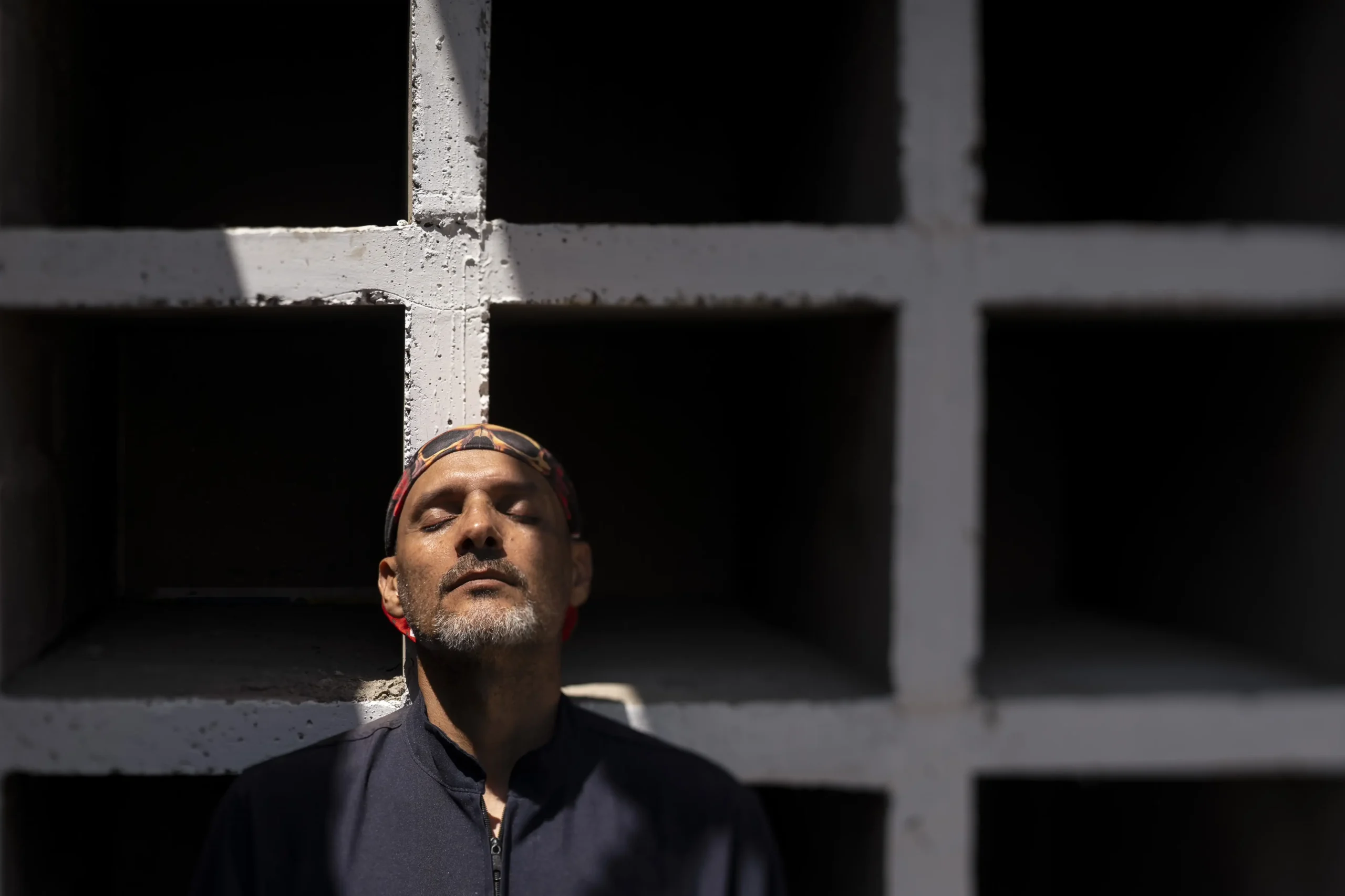
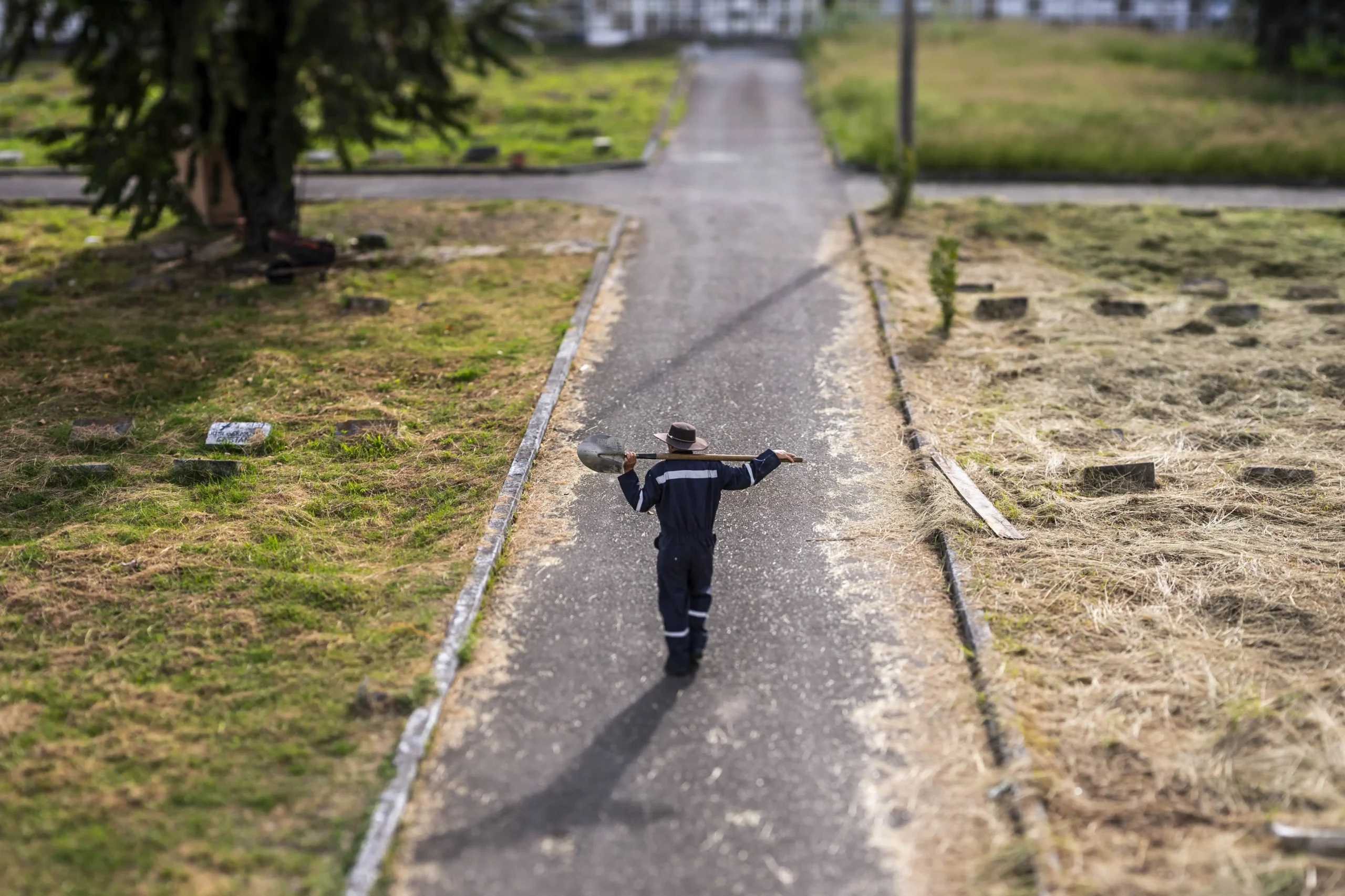
At first glance, they are square ossuaries painted white along the edges. But those who built them over the course of more than a year in the Central Cemetery of Palmira, Colombia, call them “repositories of memory,” because they will hold the remains of more than 500 victims of enforced disappearance from across Colombia.
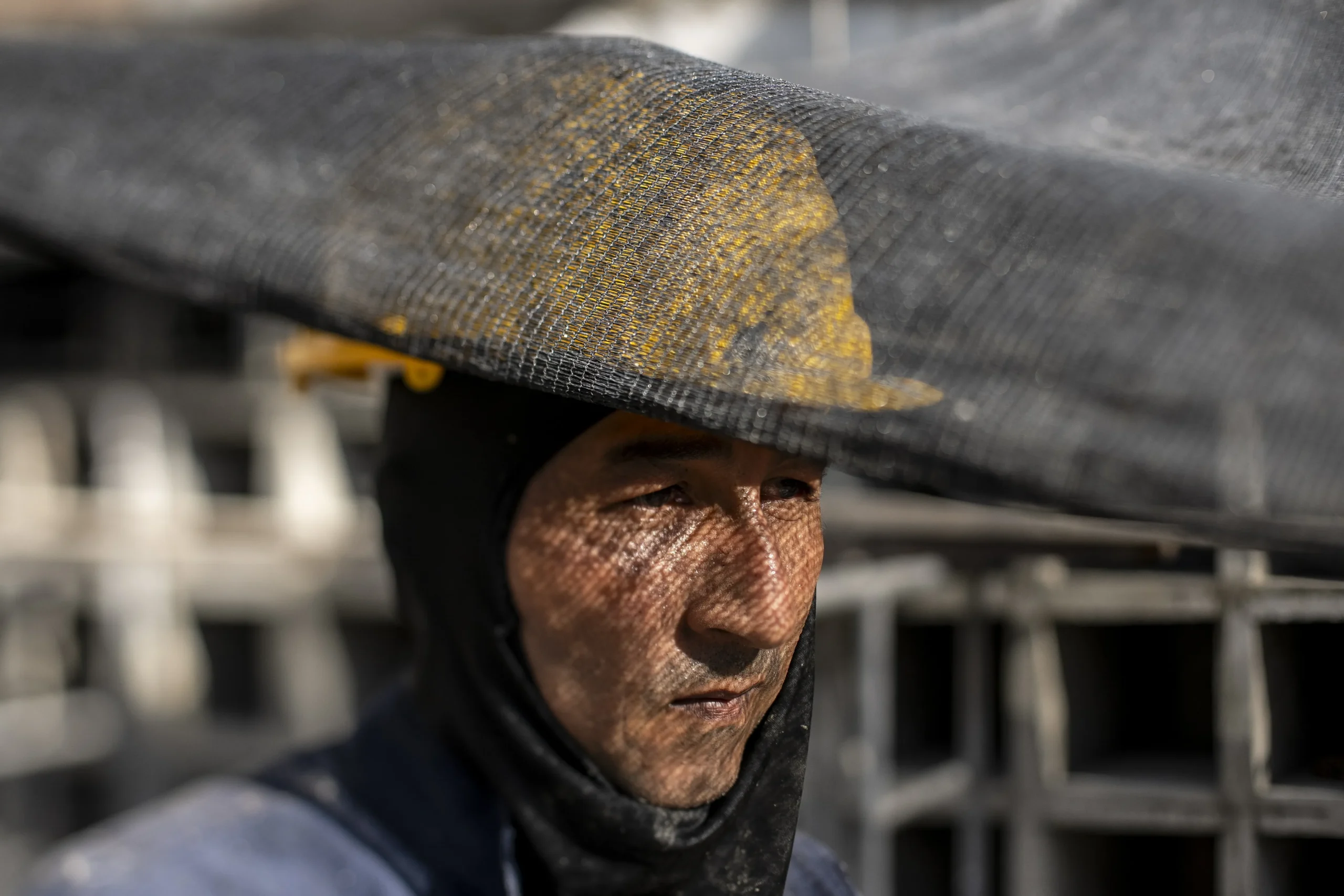
Their builders are 32 former FARC guerrilla members and 23 Army soldiers accused of extrajudicial executions, all of whom are appearing before the JEP (Special Jurisdiction for Peace). The initiative originated with Corporación Reencuentros, a group of former FARC members who signed the Peace Agreement and invited soldiers involved in these cases to join the effort. This marks the first time in Colombia’s history that former enemies in the conflict have come together for a project addressing enforced disappearances.
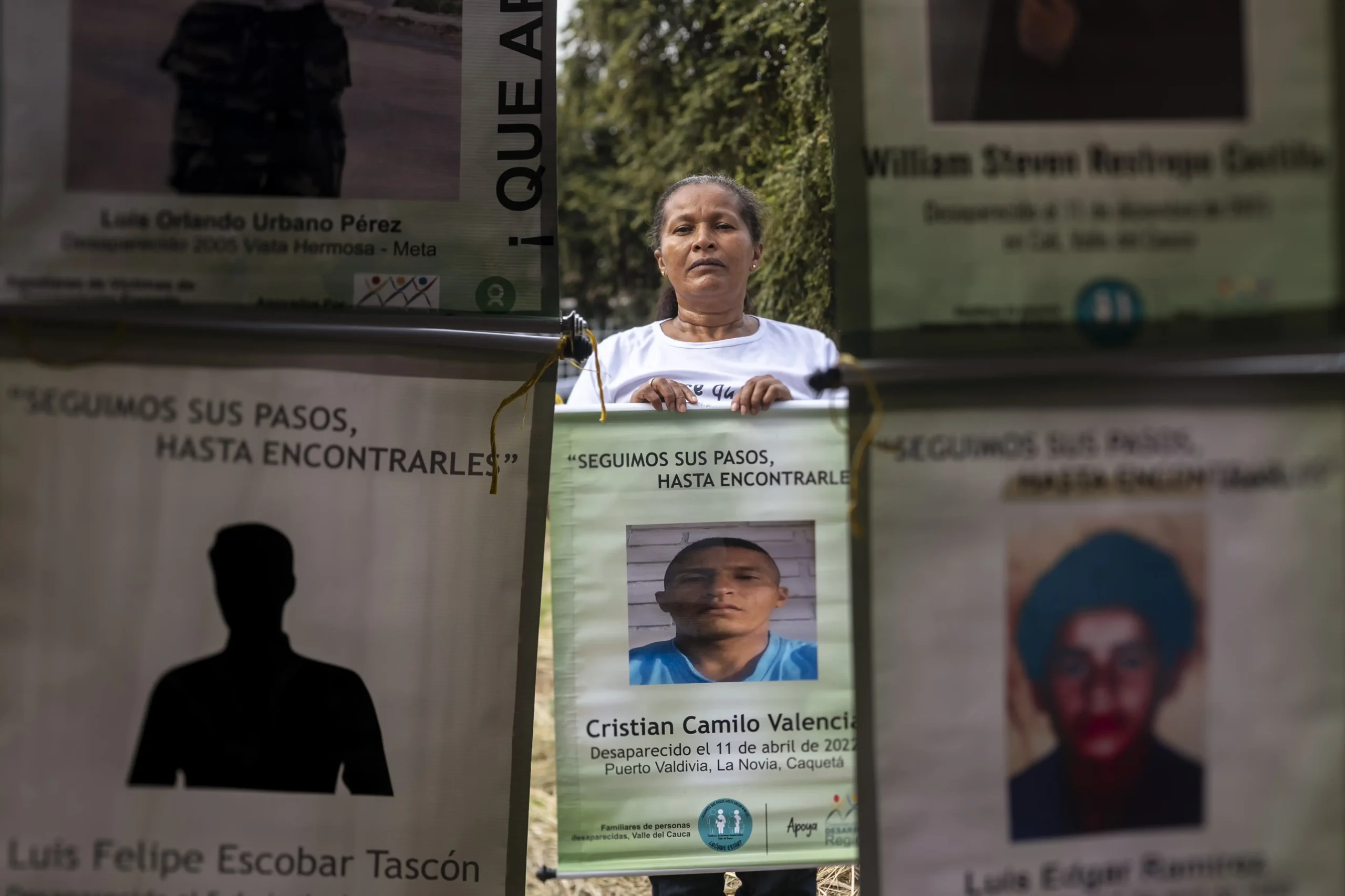
Colombia is the Latin American country most affected by enforced disappearance amidst an internal conflict, with around 110,000 victims over six decades. No more than 80 remains have been found and deliveried to their loved ones after the peace agreement between the State and the FARC guerrillera was signed in 2016.
Since the ossuaries were delivered in August 2025, the site has become a space for reconciliation and restorative encounters with victims, who continue to hold hope of finding their loved ones after years of searching.