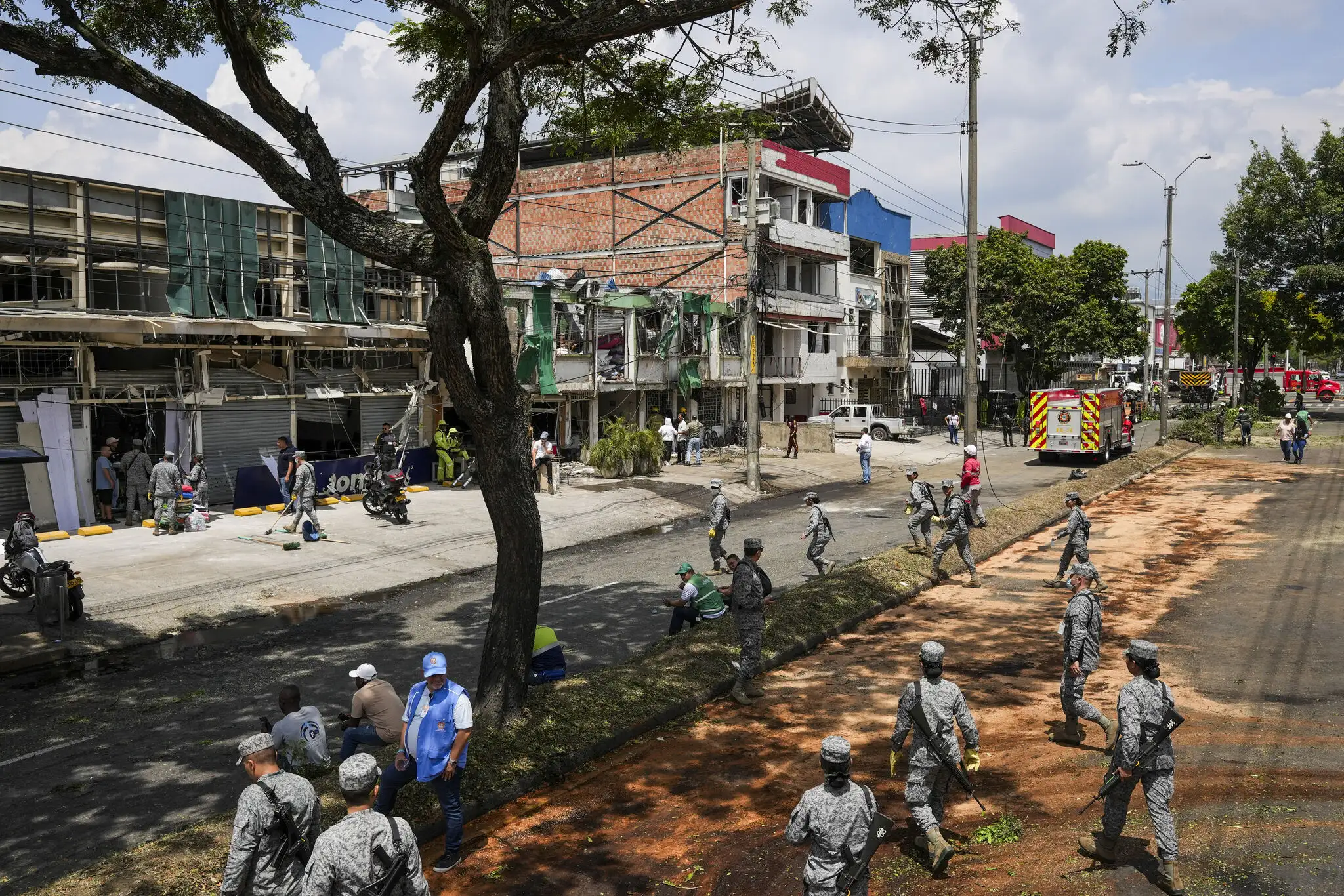
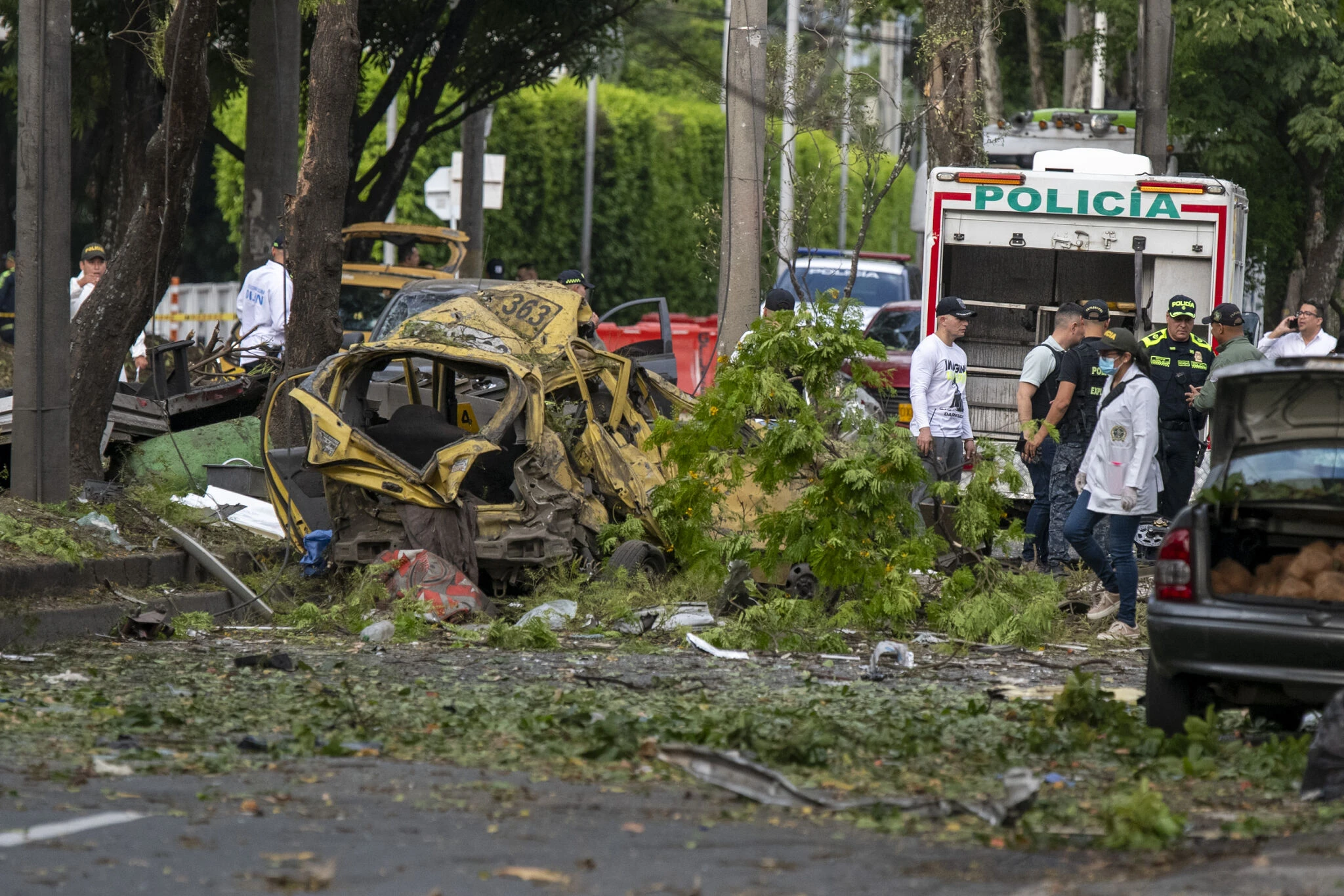
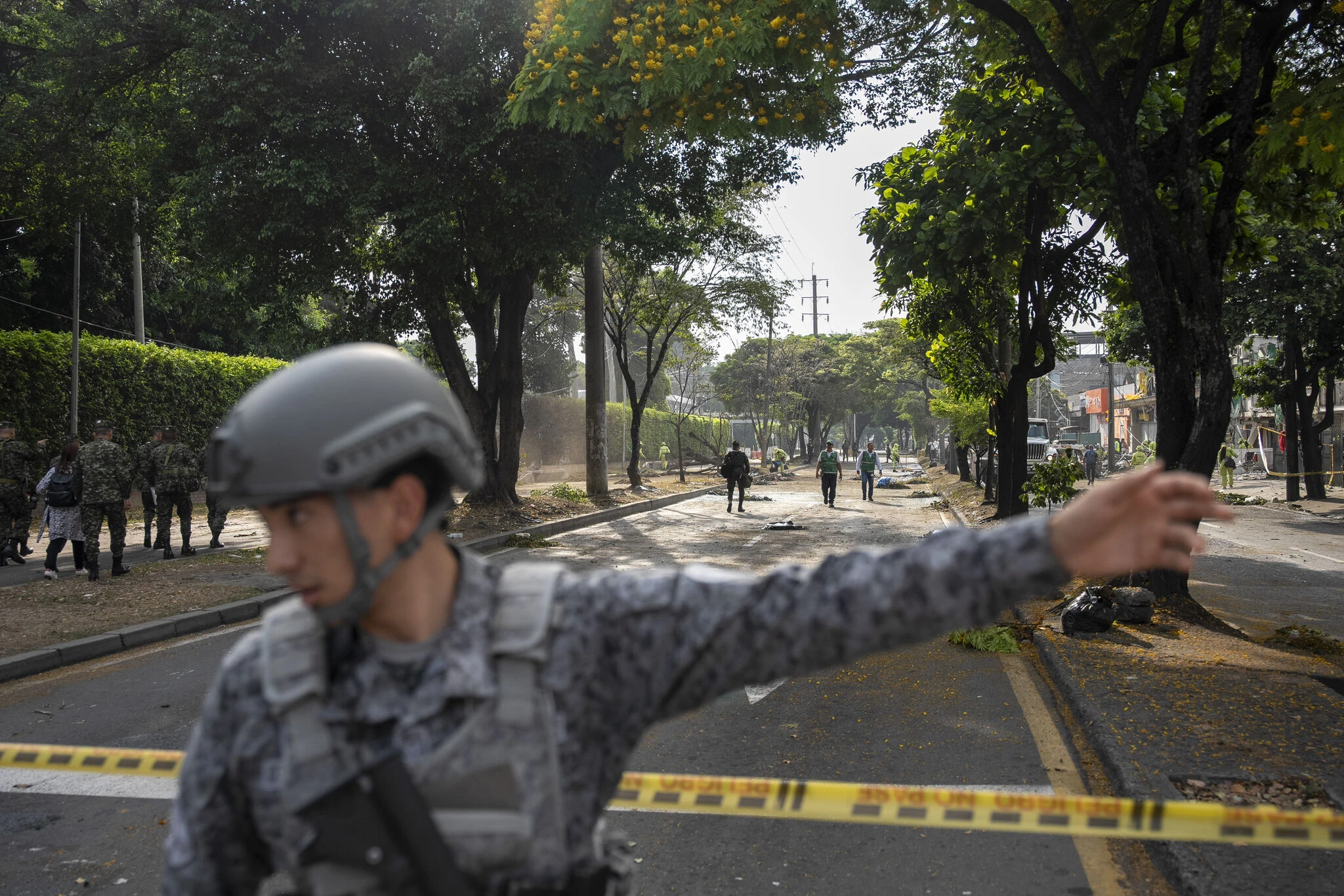
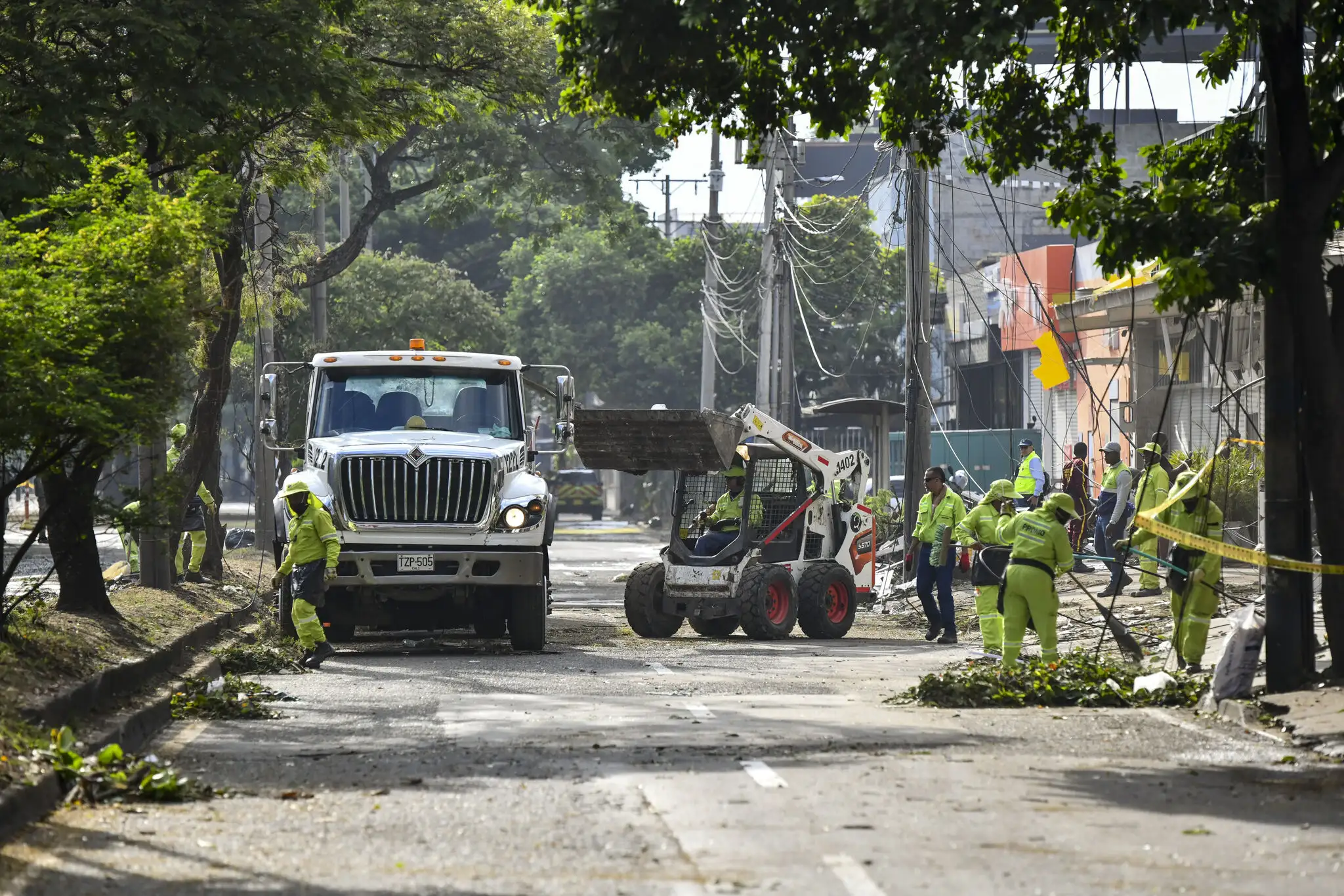
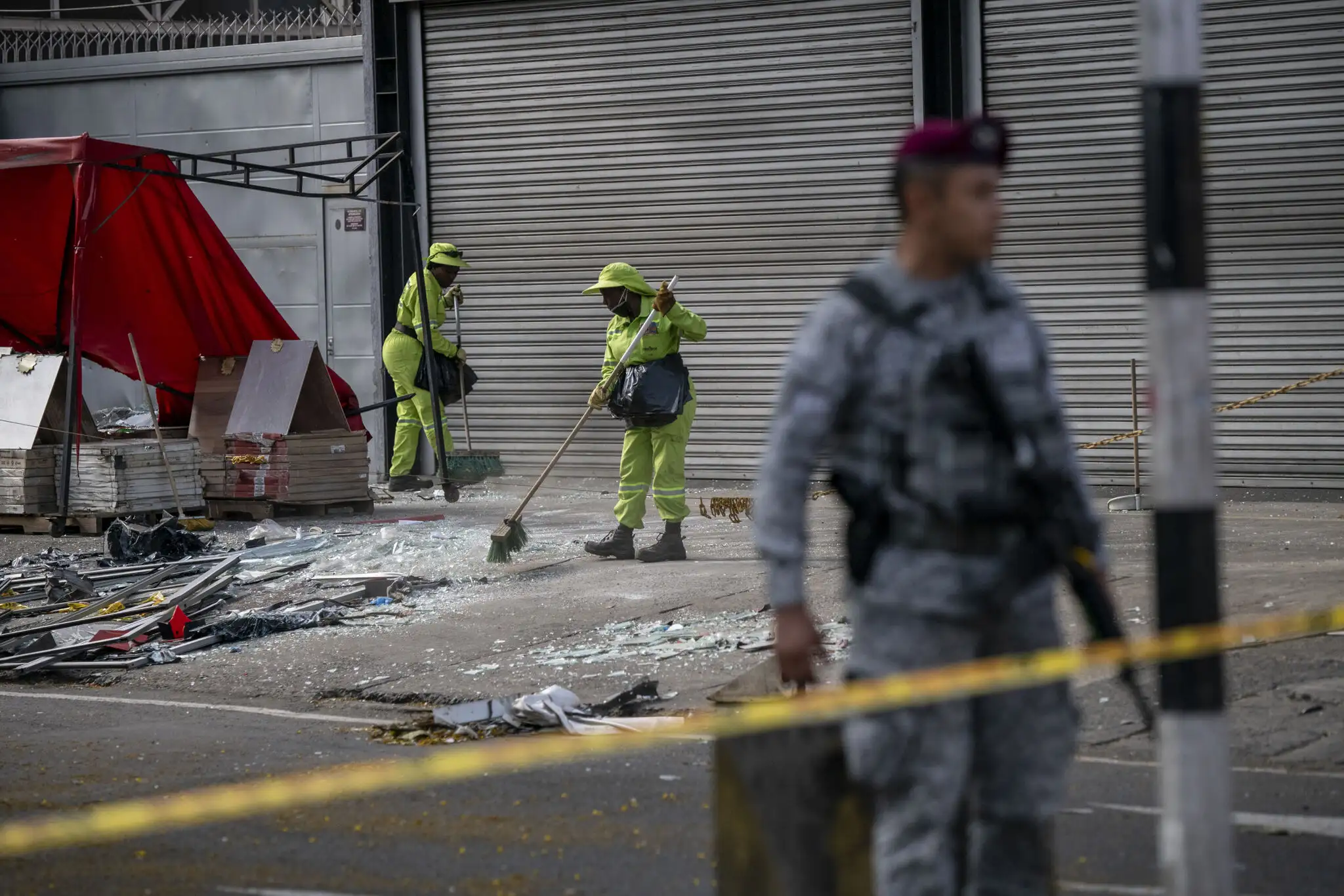
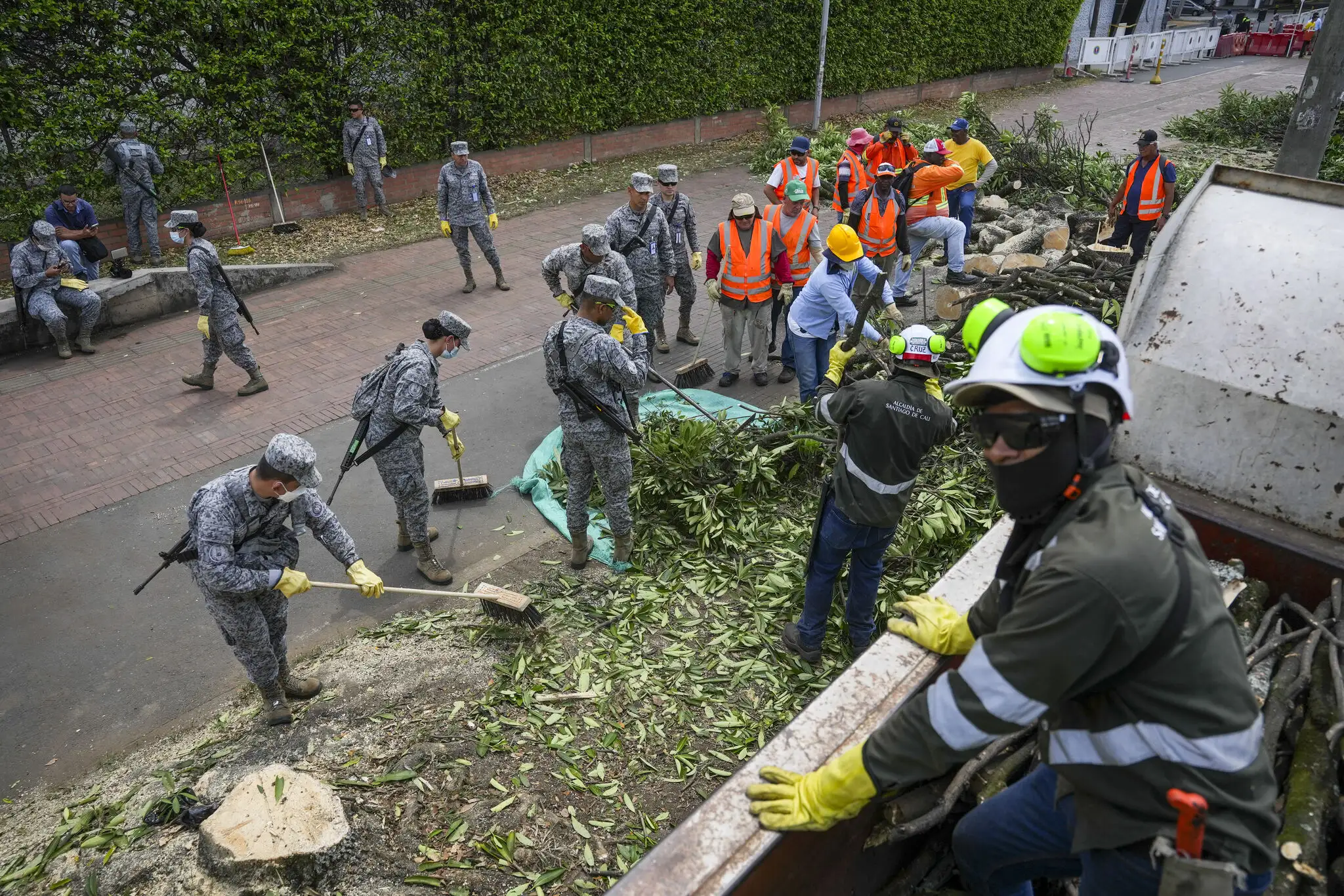
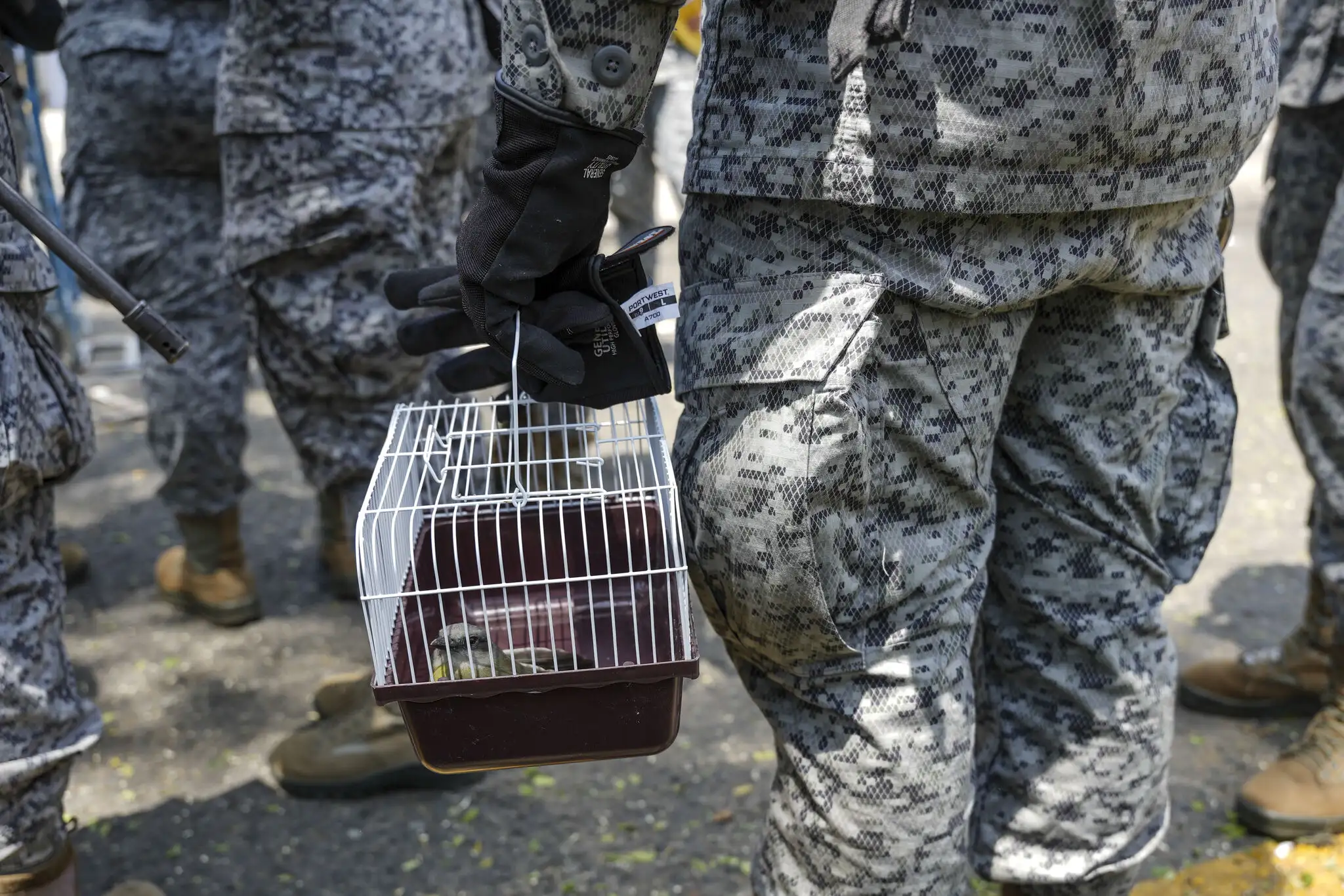
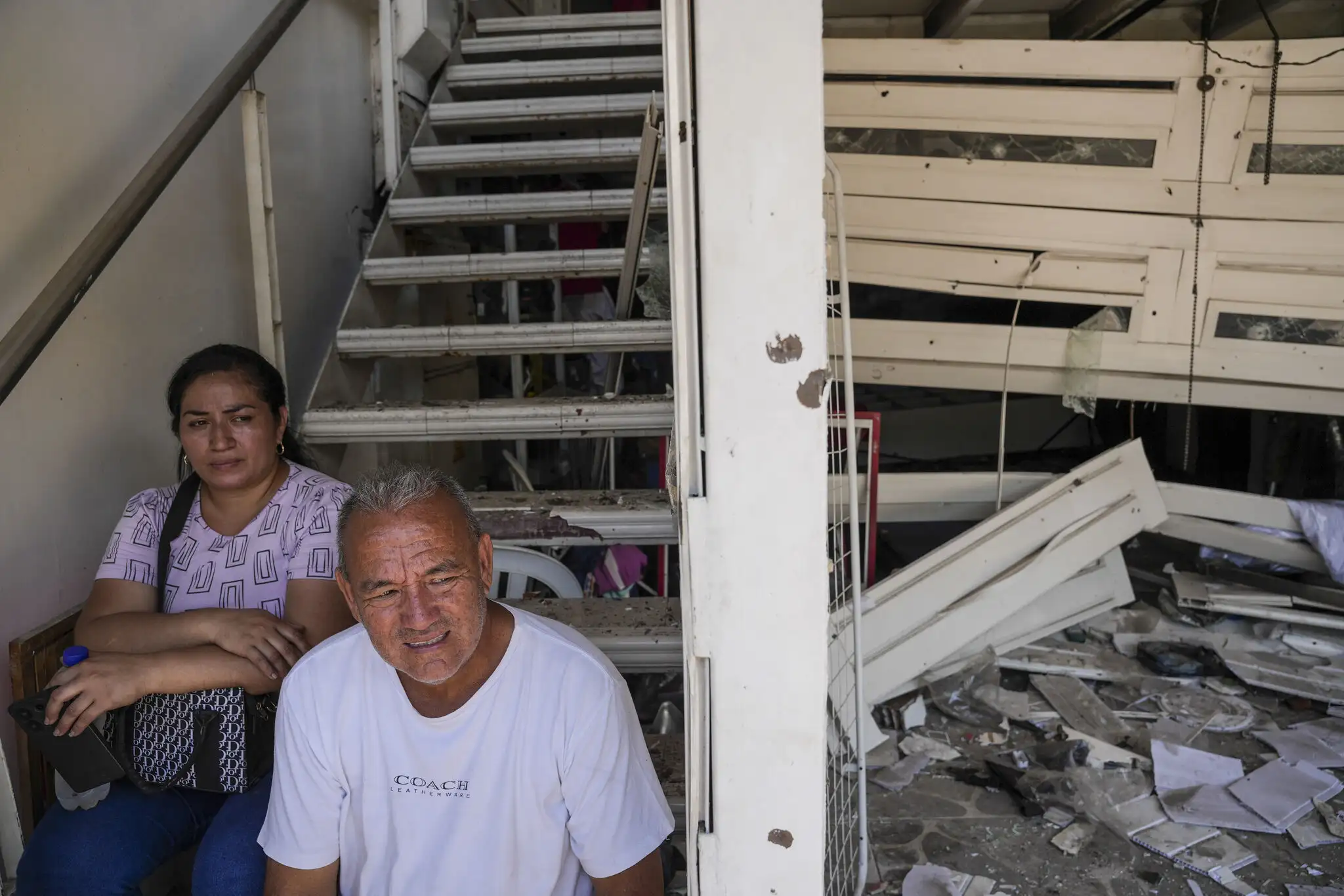
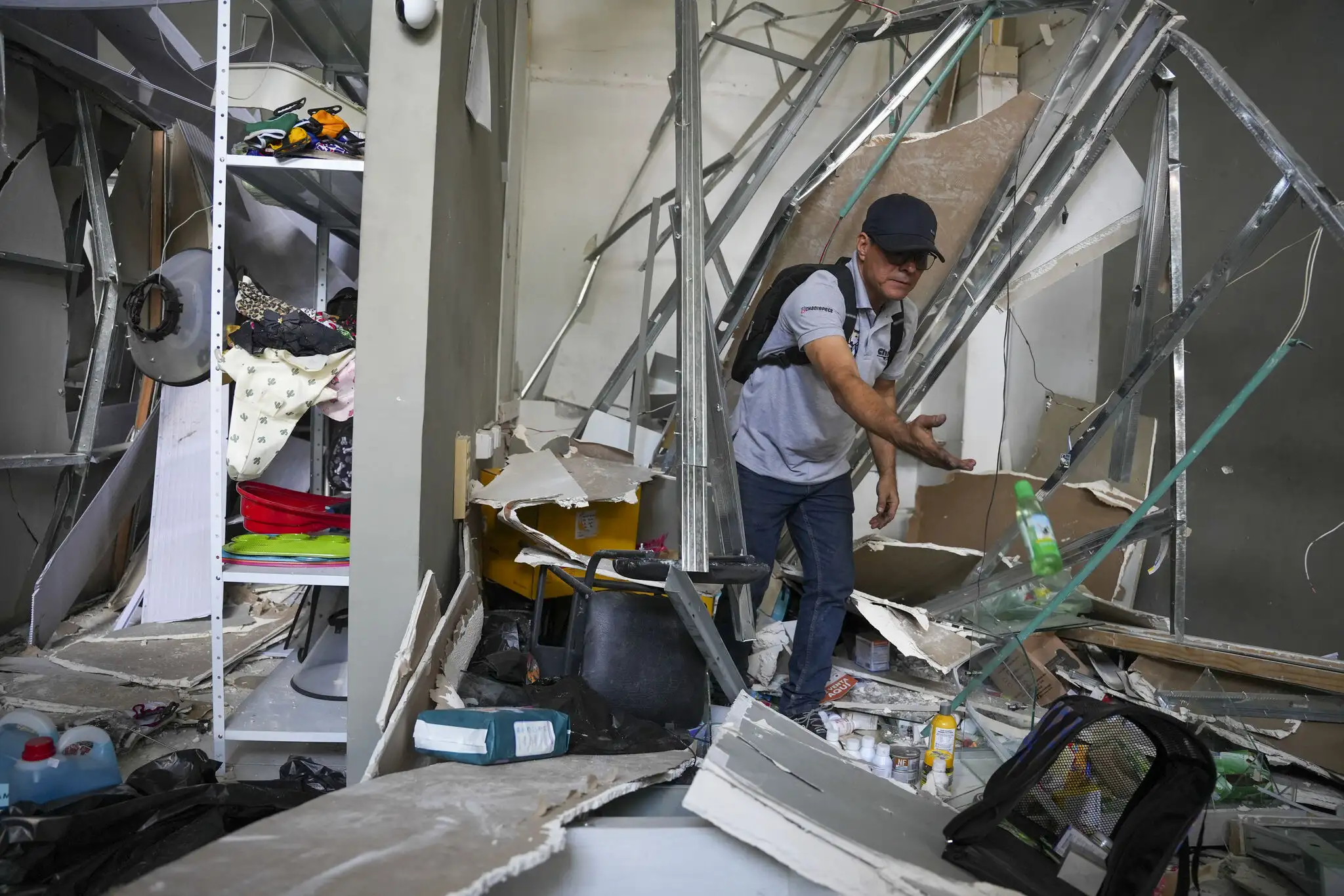
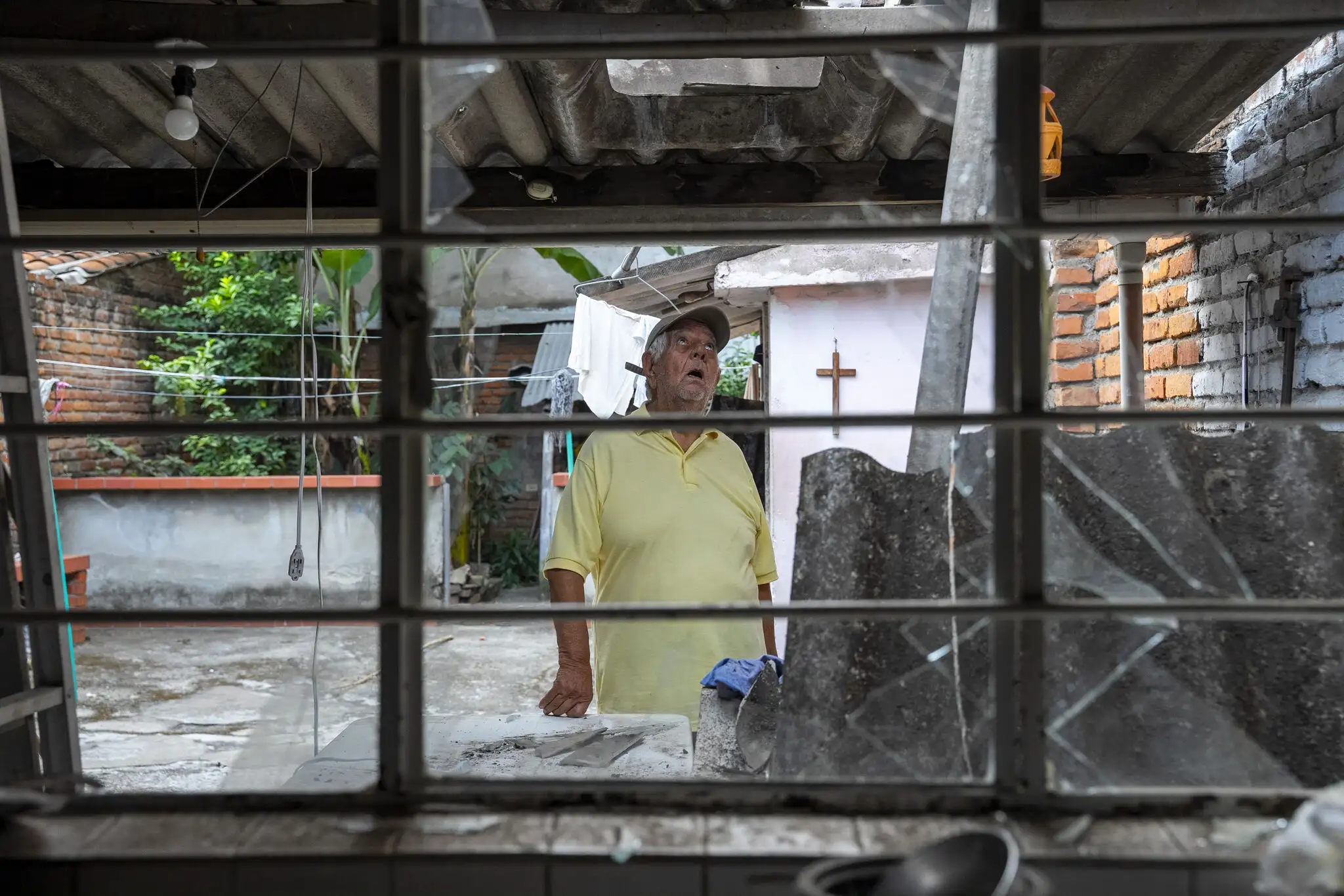
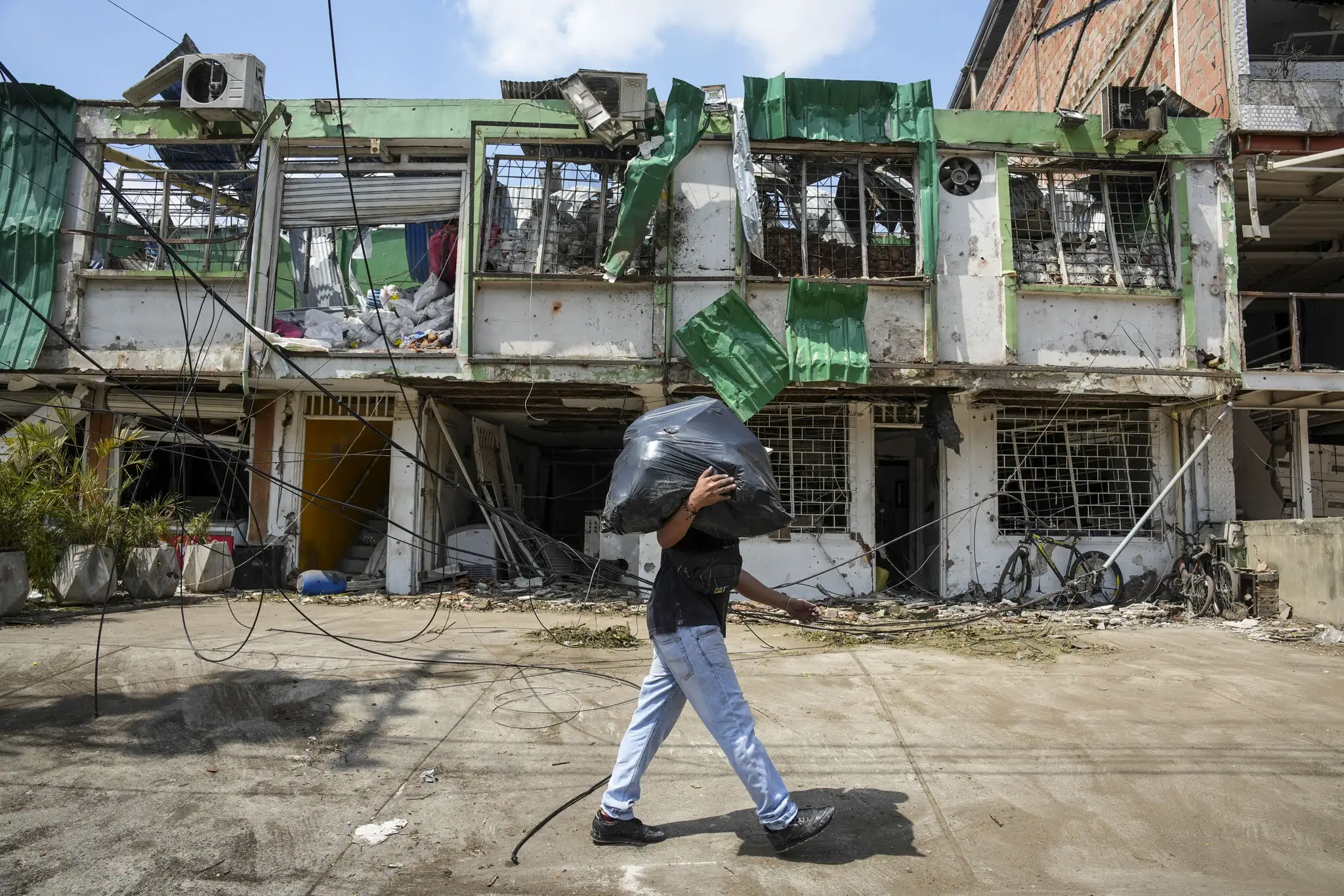
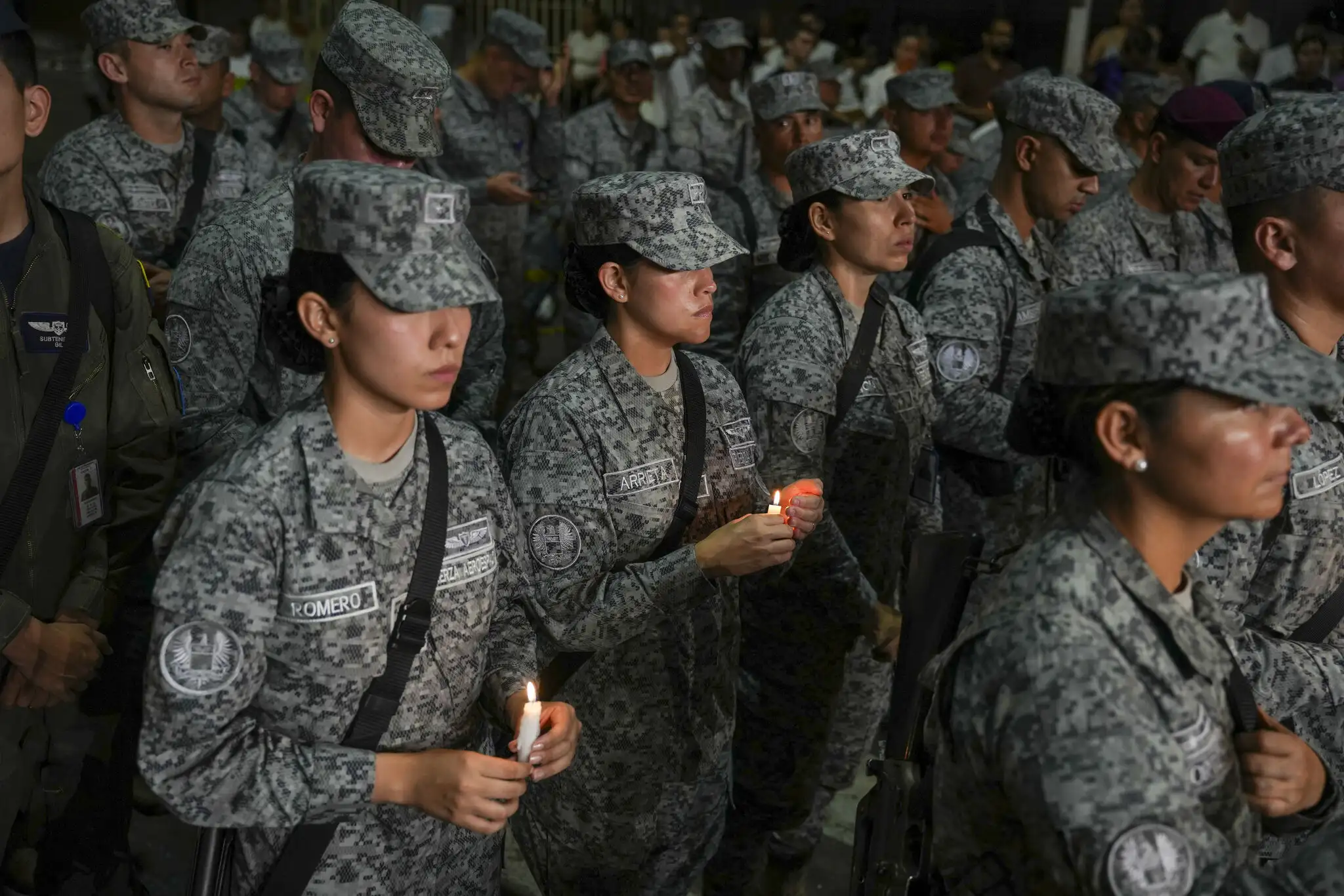
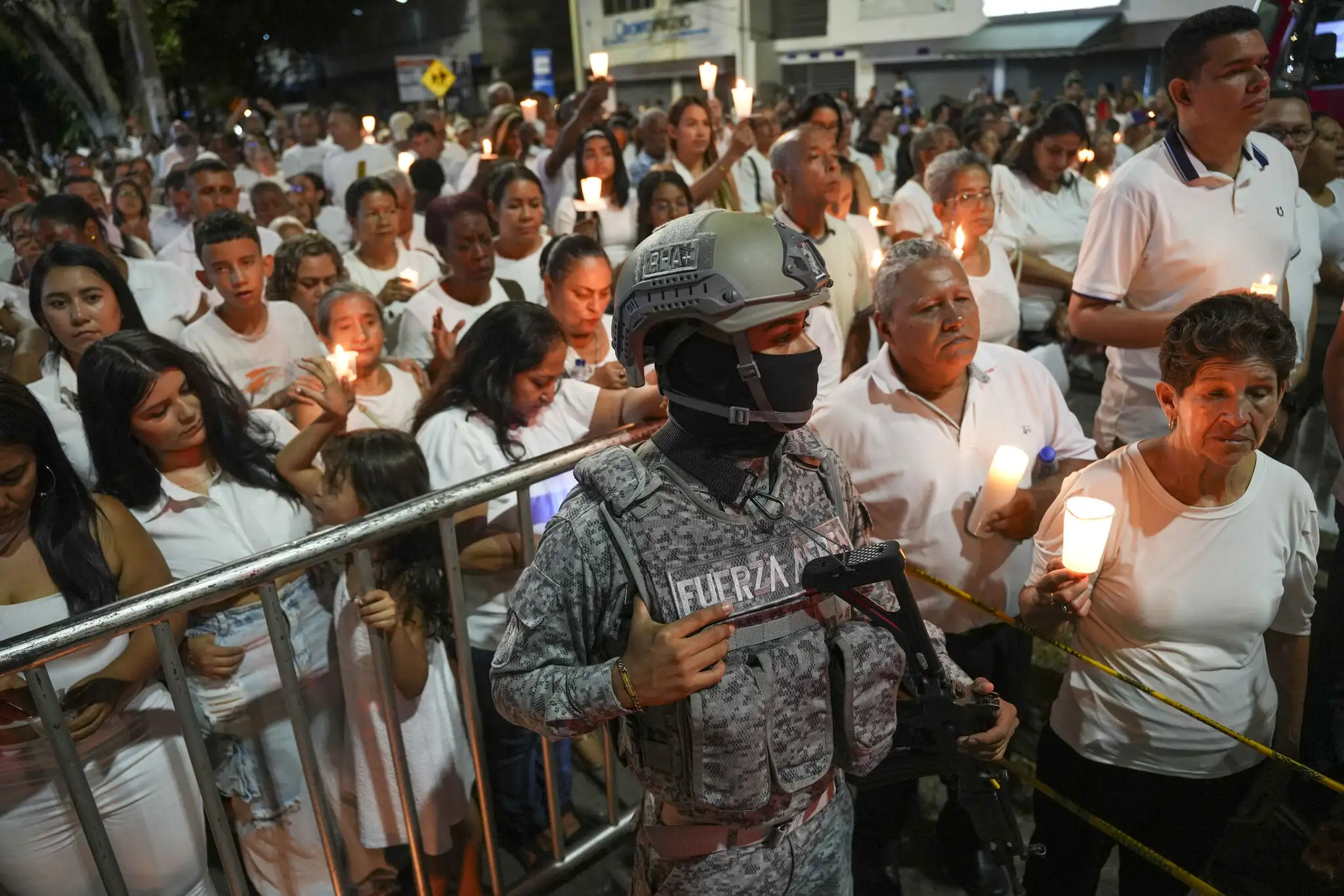
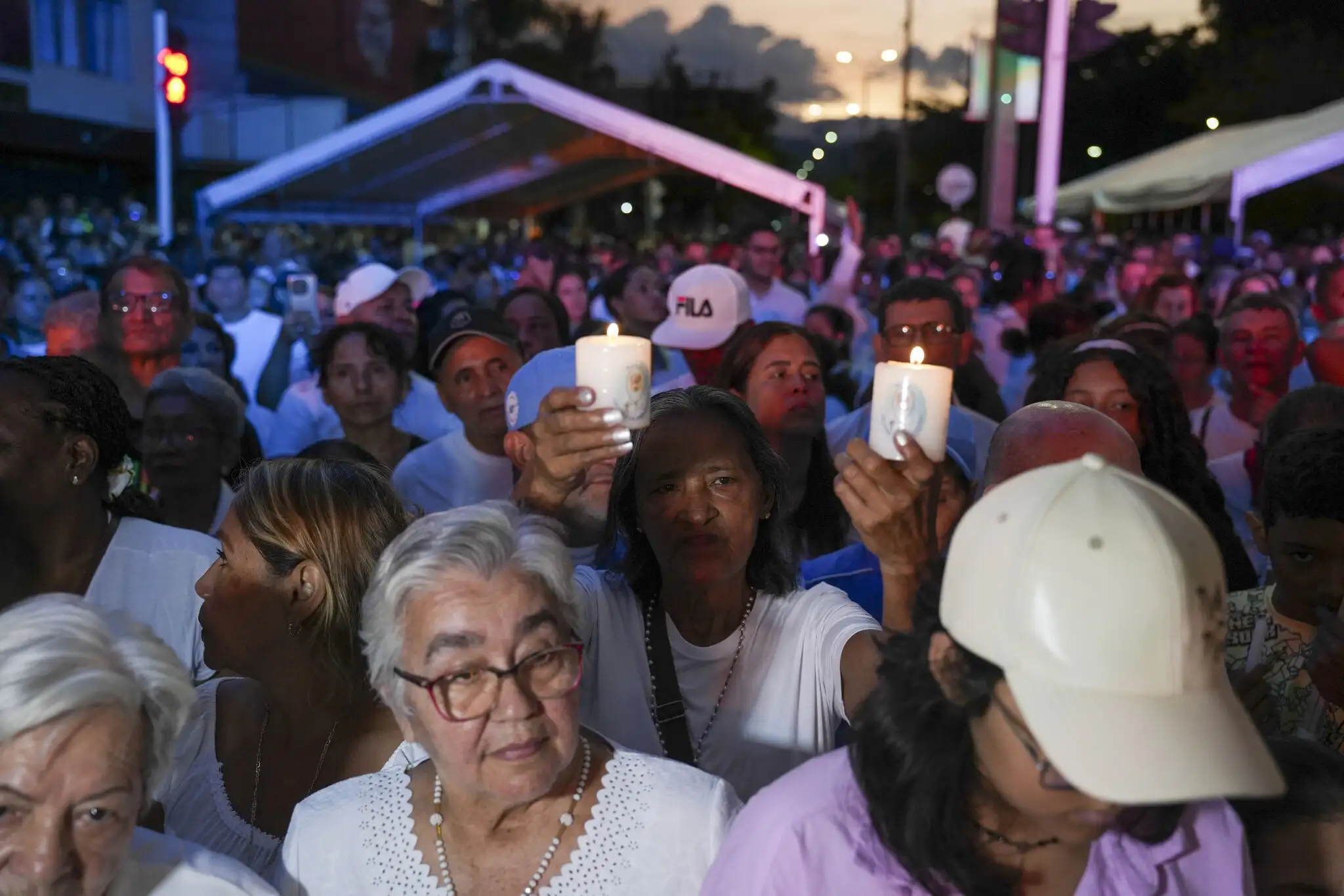
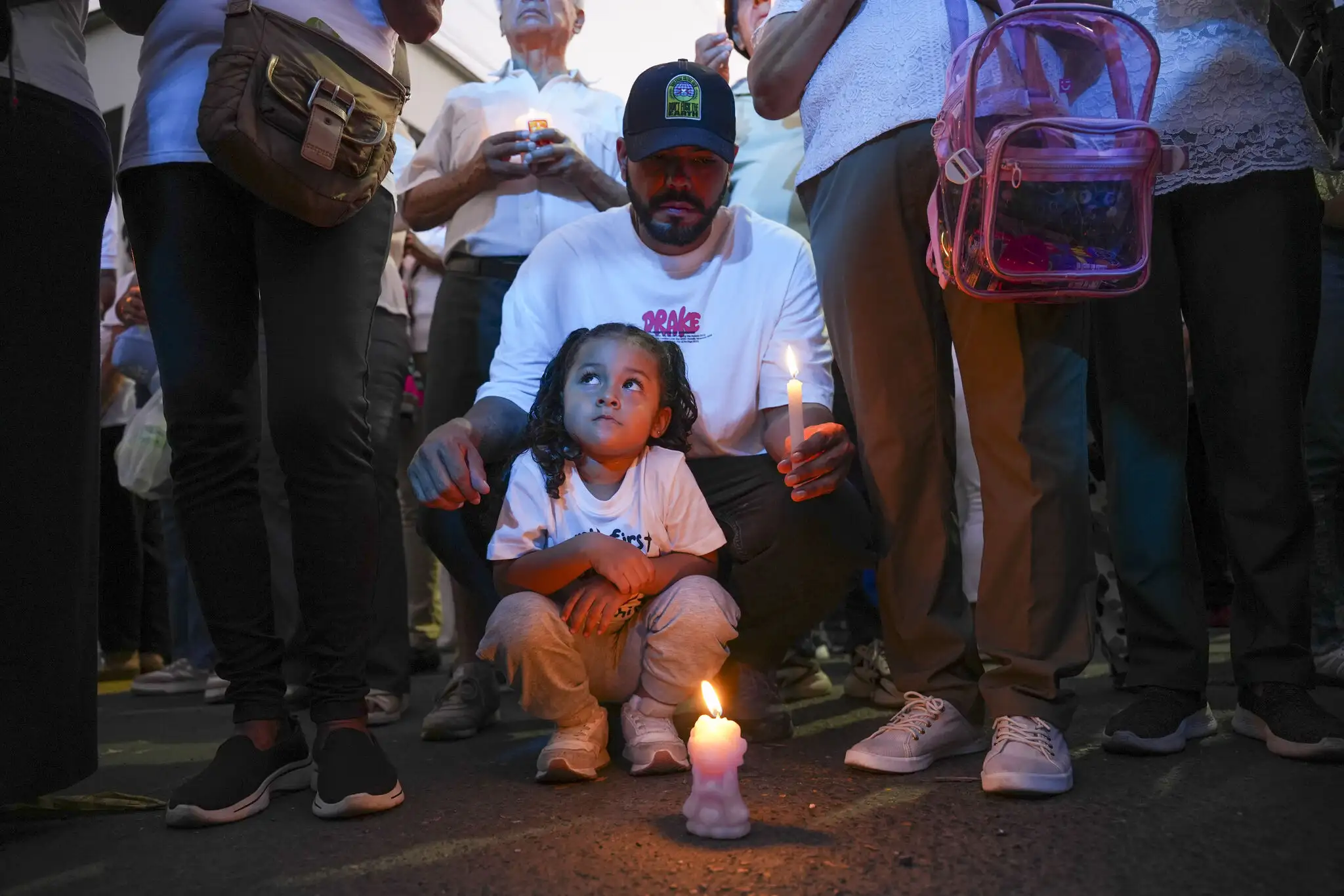
On August 21, 2025, a truck packed with explosives detonated near the Marco Fidel Suárez Air Force Base in Cali, Colombia. The blast ripped through the working-class neighborhoods of La Base and Villa Colombia, killing at least six people and injuring more than sixty. Homes, shops, and vehicles were destroyed, leaving a dense cloud of smoke and shattered glass across one of the city’s main avenues.
Authorities attributed the attack to dissident factions of the FARC, particularly the groups operating under the so-called ‘Estado Mayor Central’. The bombing formed part of a wider wave of coordinated violence across the country, including the downing of a police helicopter in Antioquia the very same day, a stark reminder of how Colombia’s armed conflict, once thought to be retreating to rural peripheries, has re-entered the urban landscape with devastating force.
I covered this story for EL PAÍS (Spain) and Reuters. As a photojournalist working in my own city, I have faced the difficult task of documenting how violence suddenly breaks into everyday life, transforming streets and squares into stages of tragedy — but also into spaces of solidarity and resilience.
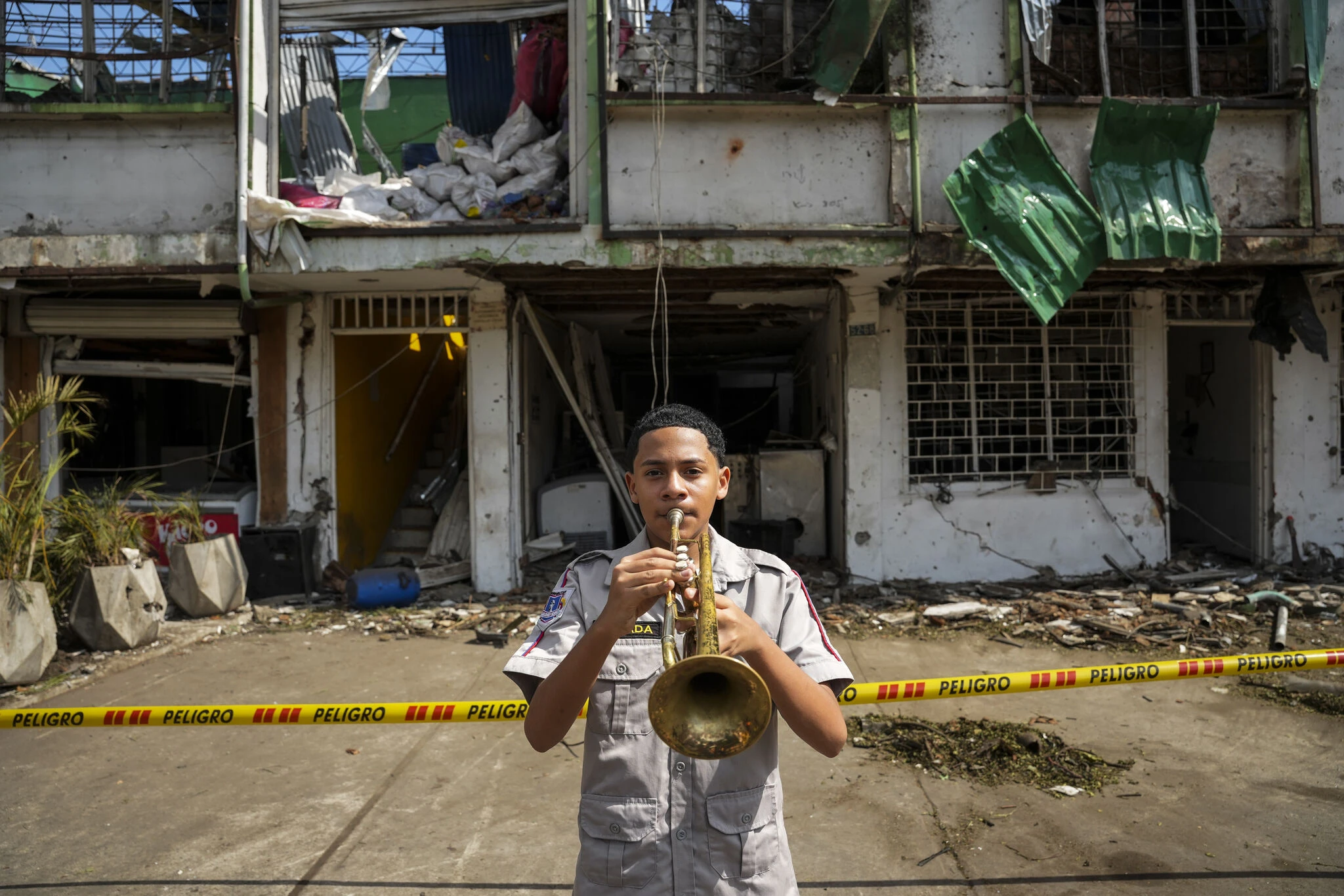
The image that stays with me the most—and opens this edit —is a portrait of Juan Manuel Tejada, a 12-year-old musician. Just one day after the bombing, he stood in front of the buildings torn apart by the explosion, lifting his trumpet to play. In the middle of the destruction, his music cut through the silence of grief.
Cali is no stranger to violence, but this attack marked a rupture. It showed that the conflict is no longer confined to remote regions or rural strongholds. It can now reach the very heart of Colombia’s third-largest city.